Albacore Tuna: Reading Water Temperature Charts Beats Guessing Every Time
Why locating the sea surface temperature break, not blind trolling, is the real key to finding albacore tuna.
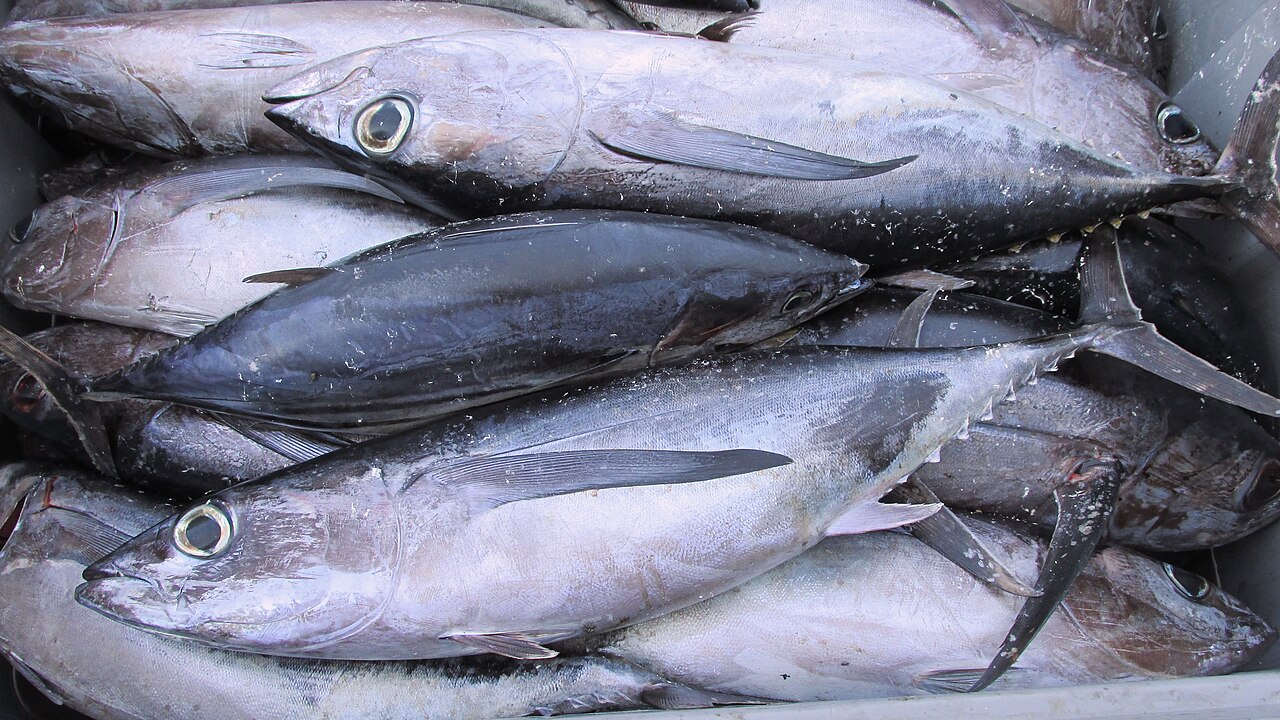
A thread on the Bloodydecks forum, started by a Central Coast angler, asked the question every offshore trip plan eventually runs into: “What is the optimal water temp that your looking for when searching for tuna?” The replies didn’t fully agree, but they converged around 58.5°F as the classic starting point — with a real caveat attached. One longtime poster added he’d caught “plenty of Albacore in 56.5 degree greenish water,” then signed off with a disclaimer worth remembering: “the opinions expressed here are from a person who sometimes finds fish…and sometimes does not find fish! Your results may vary.”
That disclaimer matters as much as the number. Albacore favor a fairly specific temperature range, and the edge where warmer offshore water meets cooler nearshore water is the most reliable place to start looking — not because the break guarantees fish, but because it concentrates the plankton and bait albacore feed on as they move back and forth across it. Satellite-derived SST charts, checked before a trip, let a captain plan a route toward that structure instead of burning fuel and daylight searching blind.
Trolling remains the default technique for finding and hooking albacore across open water — a spread of feathered jigs or small lures worked at a moderate speed, similar in principle to other tuna trolling but generally aimed at smaller average fish than bluefin or yellowfin produce in most fisheries.
Once a school is actually located, switching from trolling to jigging or live bait often extends the bite well past what blind trolling through the same water would produce. Albacore school in real numbers, and an actively feeding school can sustain jig or bait action long after the trolling bite alone would have gone quiet.
Casting to visibly surface-feeding fish rewards speed over finesse. When albacore push bait to the surface, the window can close fast — anglers who take too long getting a lure into a visible frenzy often watch it sound before their first cast lands.
Tackle runs moderate by tuna standards. 20-40lb class trolling or jigging gear covers most albacore encounters, tracking with the generally smaller average size of this species next to bluefin or larger yellowfin.
Regional timing shifts meaningfully by fishery, and it moves north through the season as warm water pushes up the coast. Albacore typically show up off Southern California first, arriving in July and peaking August through September, then reach Northern California waters by August with that region’s peak running September into October. Oregon’s window tracks similarly, generally July through September with some flex on either end depending on how early or late the water warms that year. So the right location in July genuinely isn’t the right location by September — it’s not just the same fish scattered differently, it’s the whole productive zone having migrated north with the warm water.
None of this changes the basic lesson buried in that forum thread: checking where the temperature break actually sits before a trip, rather than defaulting to “always productive” spots from last season, meaningfully improves the odds of a productive day. But the angler who found fish in 56.5-degree water while everyone else was quoting 58.5 as gospel is the reminder that follows it. Albacore don’t read the chart. They just tend, often enough to matter, to show up where it says they will — and often enough to matter, they don’t.