Halibut Fishing: Anchoring, Drifting, and Trolling Aren't Interchangeable Choices
Why matching technique to current strength, not personal preference, determines halibut fishing success.
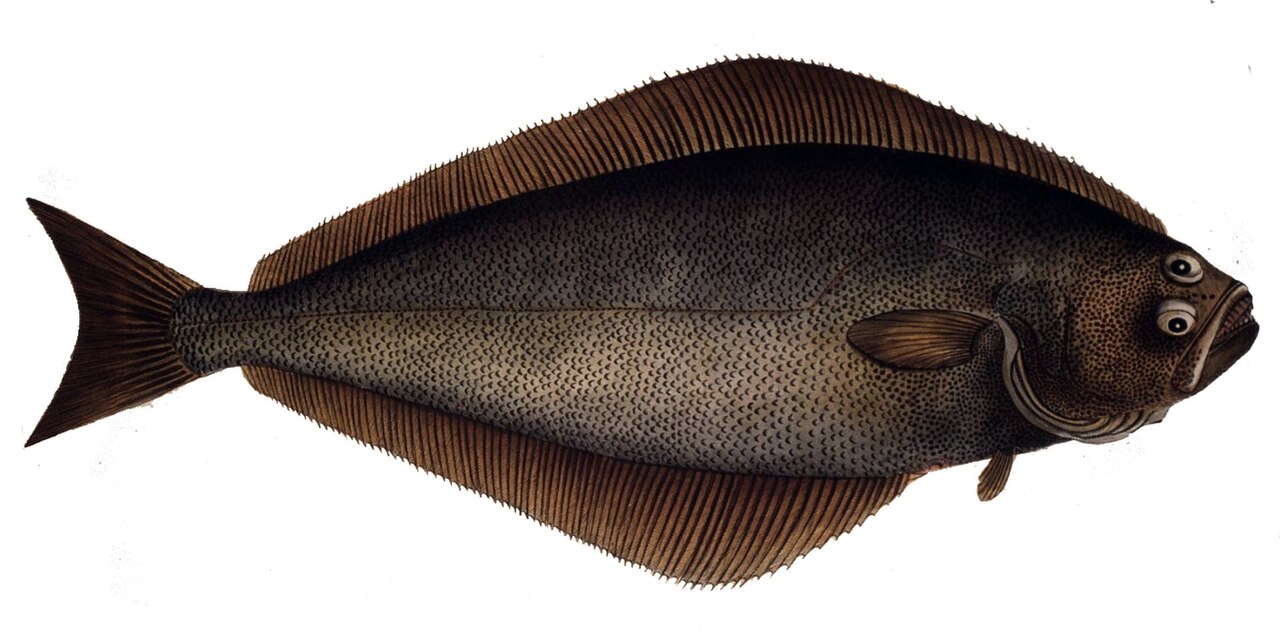
Pick the wrong one of three fundamental approaches for that day’s current and depth conditions, and even a spot known to hold good numbers of halibut can produce a frustratingly slow session. Technique choice matters as much as location for this species.
Anchoring directly over known structure or a specific drop-off works well when current is manageable and the exact holding spot is well identified, letting a stationary bait presentation reach halibut that, as ambush predators lying near the bottom, can locate and approach it without needing to chase anything.
Drifting suits stronger current or covering more ground across promising but not precisely pinpointed bottom structure. It trades precision for coverage — useful when searching for halibut rather than sitting on a spot already confirmed to hold fish.
Back-trolling, moving the boat slowly against or with current to control bait presentation speed, offers a middle ground: more active control than drifting, more coverage than staying anchored, particularly useful where bottom depth varies enough that a single anchor position would miss adjacent productive water.
Bait positioned somewhat elevated off the bottom, a few feet up rather than resting flush, tends to draw a more aggressive, confident bite than bait sitting on the seafloor — halibut seem to respond better to something that reads as an actively swimming, vulnerable target. Jig and lure weight needs to match depth and current precisely; halibut fishing often happens in genuinely deep, current-affected water, and undersized weight won’t maintain the bottom contact this species rewards.
Regulation adds a layer that pure technique advice tends to skip over. The International Pacific Halibut Commission sets a commercial minimum size of 32 inches fork length, and recreational rules are managed separately by area and jurisdiction — Alaska, Washington, Oregon, California, and British Columbia all set their own bag limits and seasons on top of the IPHC’s coastwide total catch. That management hasn’t always gone smoothly: in Alaska’s Area 2C, the sport charter fishery blew past its target harvest level every single year from the program’s 2003 start until restrictions were finally imposed in 2011, and by the IPHC’s own account the program had only limited success at keeping the charter sector within its allocation. A rule existing on paper and a fishery actually staying inside it are two different things, and this species has a documented history of the gap between them.
Tackle runs heavy given both typical depth and the size potential of larger fish. 50-80lb class gear handles most encounters, with genuinely large specimens (100lbs+) demanding heavier gear and real angler stamina, especially near the surface when a large flat-bodied fish uses its size against the angler’s leverage. The scale this species can reach is worth keeping in mind when budgeting for that heavier end of the tackle range: the IGFA all-tackle world record, an Alaskan fish caught off Dutch Harbor in 1996, weighed 459lbs, and unofficial catches outside sport-fishing rules have topped 500lbs. Most trips never approach those numbers, but a halibut fishery capable of producing them is exactly why “just bring heavier gear than you think you need” is standard advice here rather than caution for its own sake.
A lot of general bottom-fishing content treats anchoring, drifting, and back-trolling as roughly interchangeable, chosen mainly by personal preference. In practice, matching technique to that day’s current strength and how precisely the structure is known produces meaningfully better results than defaulting to a single method regardless of conditions.