Bora Bora Fishing Trip Planning: Lagoon, Beach, and Offshore Aren't the Same Booking
No license is required anywhere in French Polynesia, but lagoon, beach, and deep-sea Bora Bora fishing need different boats, seasons, and passenger limits.
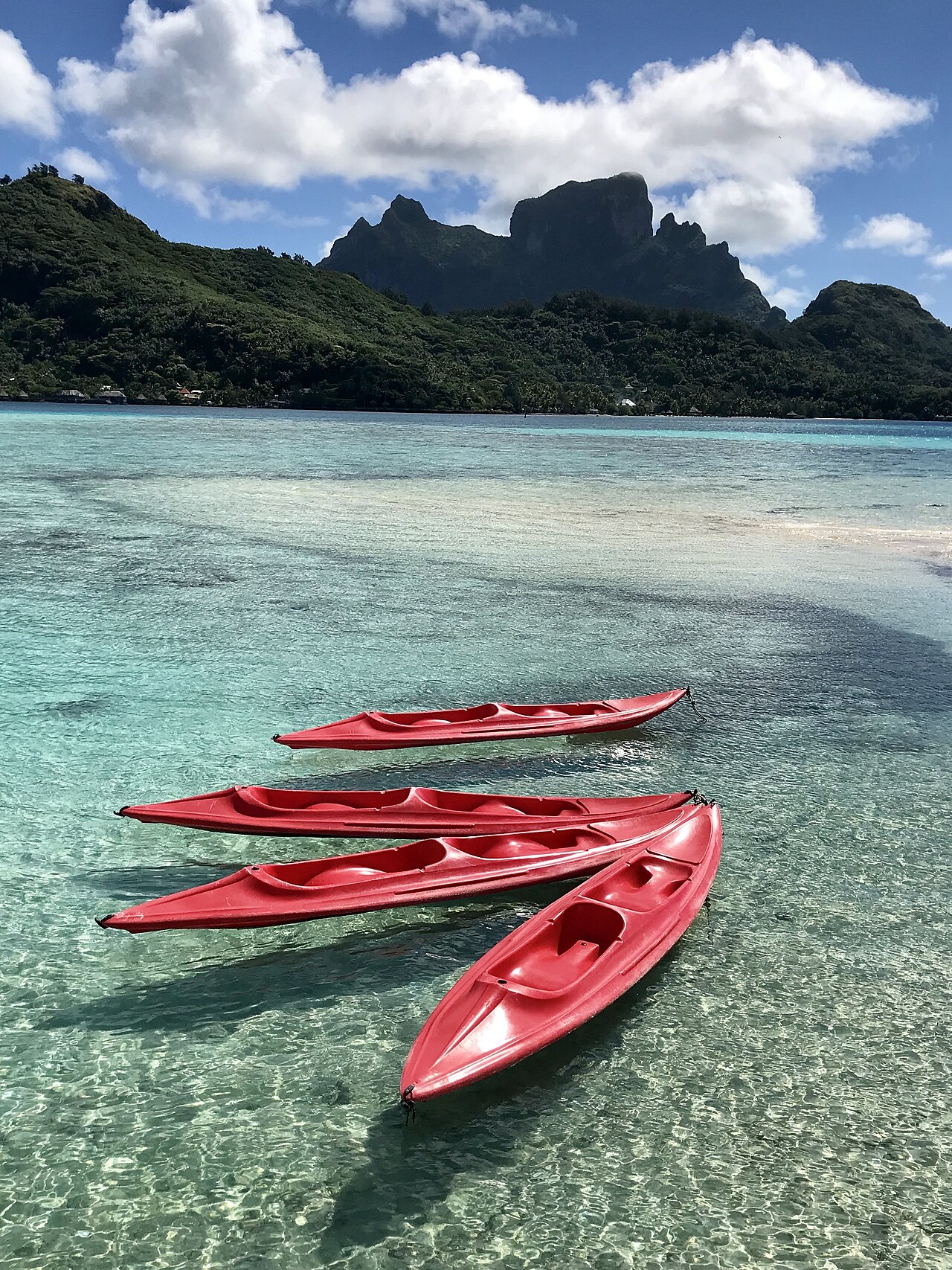
A traveler planning a trip out of Southern California posted a wish list on a fishing forum: land a giant trevally, maybe a South Pacific yellowfin, maybe a big mahi mahi, somewhere between the beach, the lagoon, and a chartered boat once he got to Bora Bora. One reply came back weeks later, naming a single charter operator and mentioning bonefish flats. Tackle specifics, lagoon-versus-beach tactics, licensing, none of it got covered.
No license is required anywhere in French Polynesia, for any of it. Fishing from a dock, the reef at low tide, a lagoon boat, or an offshore charter all require nothing beyond showing up, which removes a planning step that trips to most of the Pacific, and virtually all of the US, normally involve. There’s also no official bag-limit enforcement behind that freedom. Operators self-impose sensible catch practices, and it’s worth asking directly rather than assuming a limit exists. One local operator’s FAQ even carries a superstition passed down from Hawaiian tradition: no bananas on the boat, on the logic that bad luck and good fishing don’t share a cooler.
Lagoon versus offshore turns out to be a passenger-capacity decision as much as a location one. French Polynesia regulations cap deep-sea charter trips at four anglers plus two crew on the small-to-midsize sportfishing boats running out of Bora Bora. Lagoon fishing, inside protected water, runs looser, six to ten passengers depending on the boat. A group of six wanting to fish together offshore needs two boats. The same group fits one lagoon trip.
Boat type predicts target species more reliably than the destination name does. A 20-foot center console class, the kind local operators run under names like Reef Hunter and Kaivea, capped at four anglers plus two crew, is built for casting poppers and fly fishing tight to reef edges, productive for reef species and the occasional GT ambush. Reaching blue marlin, yellowfin, wahoo, and mahi mahi means the offshore-rigged sportfisher class instead, fighting chair and outriggers, running past the lagoon into open Pacific water. Booking the first while expecting the second, roughly the mismatch built into that original wish list, is the most common trip-planning error here.
October through April is the textbook season, French Polynesia’s warm season, running opposite the Northern Hemisphere calendar, when blue marlin and yellowfin bite most reliably. Multiple operators report both species biting consistently nearly year-round since around 2023, so a visit outside that window isn’t the gamble older write-ups suggest.
What most trip content skips entirely is the lagoon option’s actual appeal: calmer water, a shorter half-day commitment, room for mixed groups where not everyone wants a full offshore day. It’s even realistic, if less orthodox, to fish for reef species right off an overwater bungalow dock at night, catch and release, staying discreet since some resorts frown on it. Decide species and group size before the booking, and the three options stop competing with each other and start filling different parts of the same trip.