Los Roques Isn't a DIY Bonefishing Trip, and Planning It Like One Wastes Time
Why Los Roques access runs through posada packages bundling flights, guides, and boats, not independent island-hopping.
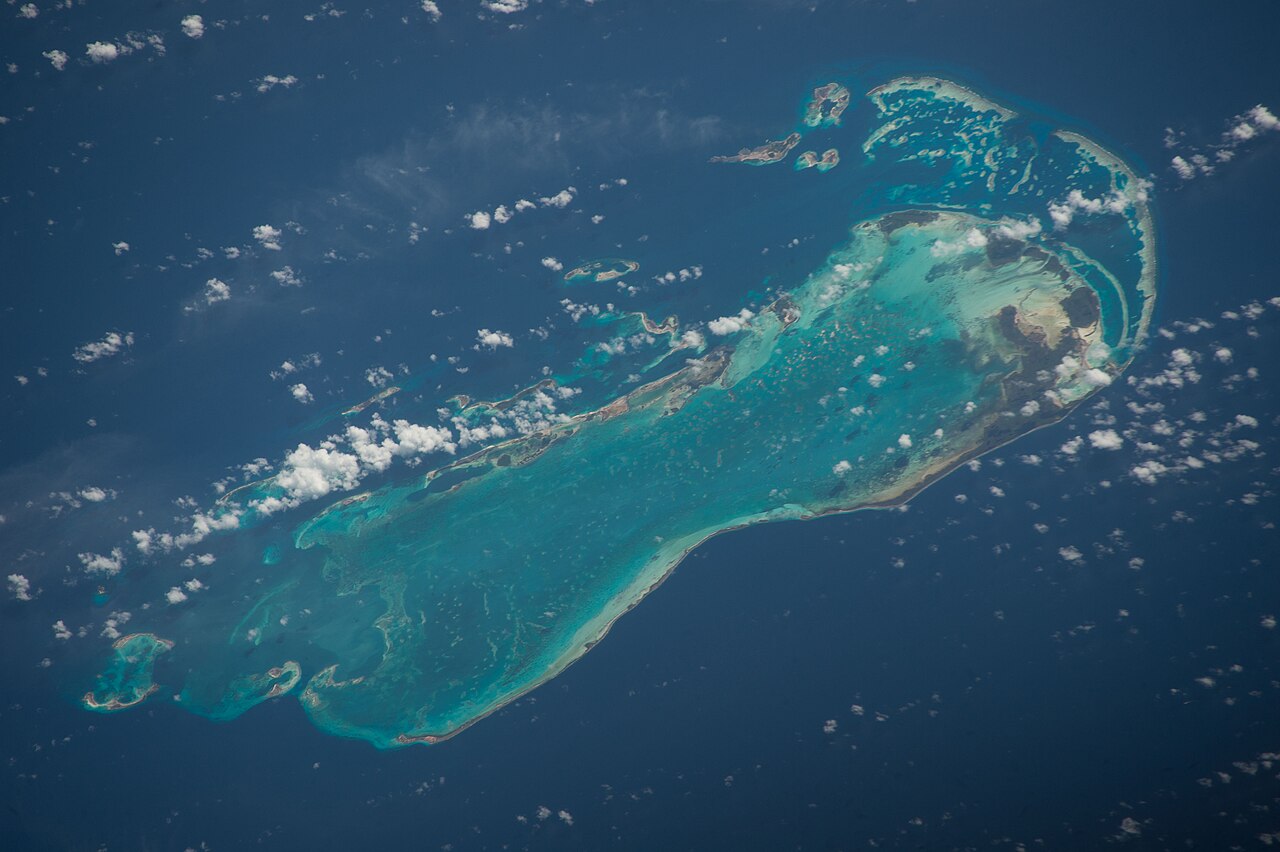
Someone researching a Los Roques trip asked a fishing forum for direction: places to stay, likely cost, boat availability to reach other islands within the archipelago. The one semi-relevant reply named a lodge with no cost attached. The rest of the thread drifted into warnings about currency and politics, with suggestions to go elsewhere entirely. The actual DIY question never got answered.
It never got answered partly because the premise doesn’t match how the destination actually works, and one published trip account makes the gap obvious in a way the thread never did.
A group of four flew British Airways to Madrid, then Iberia on to Caracas, and picked up local currency at the airport, Bolivars, where the largest note in circulation was worth about ten pence. Between four people they walked away with roughly £150 worth of bills, “a rucksack full.” Their onward flight to the Los Roques airstrip was scheduled for 7am and left closer to 9. There’s no scheduled ferry or water-taxi system linking the archipelago’s cays for casual tourism, which is exactly why that flight, and the posada waiting on the other end, mattered more than any DIY itinerary could have arranged on its own.
The posada handled everything from there: permits at the airstrip, a room, meals, and a guide rotation for the week. Bonefish here run a solid average of 3-4lb, with fish over 5lb turning up more often than fish under 2lb, a genuinely better size profile than several more heavily fished Caribbean bonefish destinations. Tarpon, as the account below shows, range anywhere from 10lb up to genuine 100lb-class fish, and permit show up occasionally too, usually large when they do, often exceeding 25lb. Fishing itself was unpredictable in a way generic trip-planning content doesn’t always admit. The water ran higher than the group expected for the season, waist-deep in spots that a more experienced angler in the group remembered as ankle-deep bonefish water on a previous visit, which made spotting fish considerably harder some days than others. One afternoon in the harbor, fishing blind for blue runners off the boat, one angler’s fly got eaten by something that towed the boat itself out to deep water for the better part of an hour and forty minutes, breaking a rod section in the process before a guide finally got a grip on what turned out to be a 60-inch, roughly 90-pound tarpon.
Real posada packages price out in that same range regardless of what actually happens on the water: six-day guided trips run roughly $5,150 to $5,750 per angler through operators like Aardvark McLeod, a fuller seven-night package closer to $7,160 through Fly Water Travel, both bundling the Caracas connection into one booking. That’s what “DIY on a budget” is actually competing against, since the posada isn’t an upsell on a cheaper independent option, it’s the access mechanism itself.
The currency and safety tangent that took over the original thread isn’t irrelevant, but it’s a separate question from cost and logistics, and it’s one a posada package mostly absorbs on a guest’s behalf simply by handling the ground transport and permits directly. The real planning decision here isn’t independent versus guided. It’s which posada and which package tier fits the trip, since independent access was never really on the table.