Costa Rica's Central Pacific Isn't the Easy Button Everyone Says It Is
Why Quepos and Los Sueños billfish season books out fast, when the marlin bite actually dies, and the inshore fallback most guides won't mention.
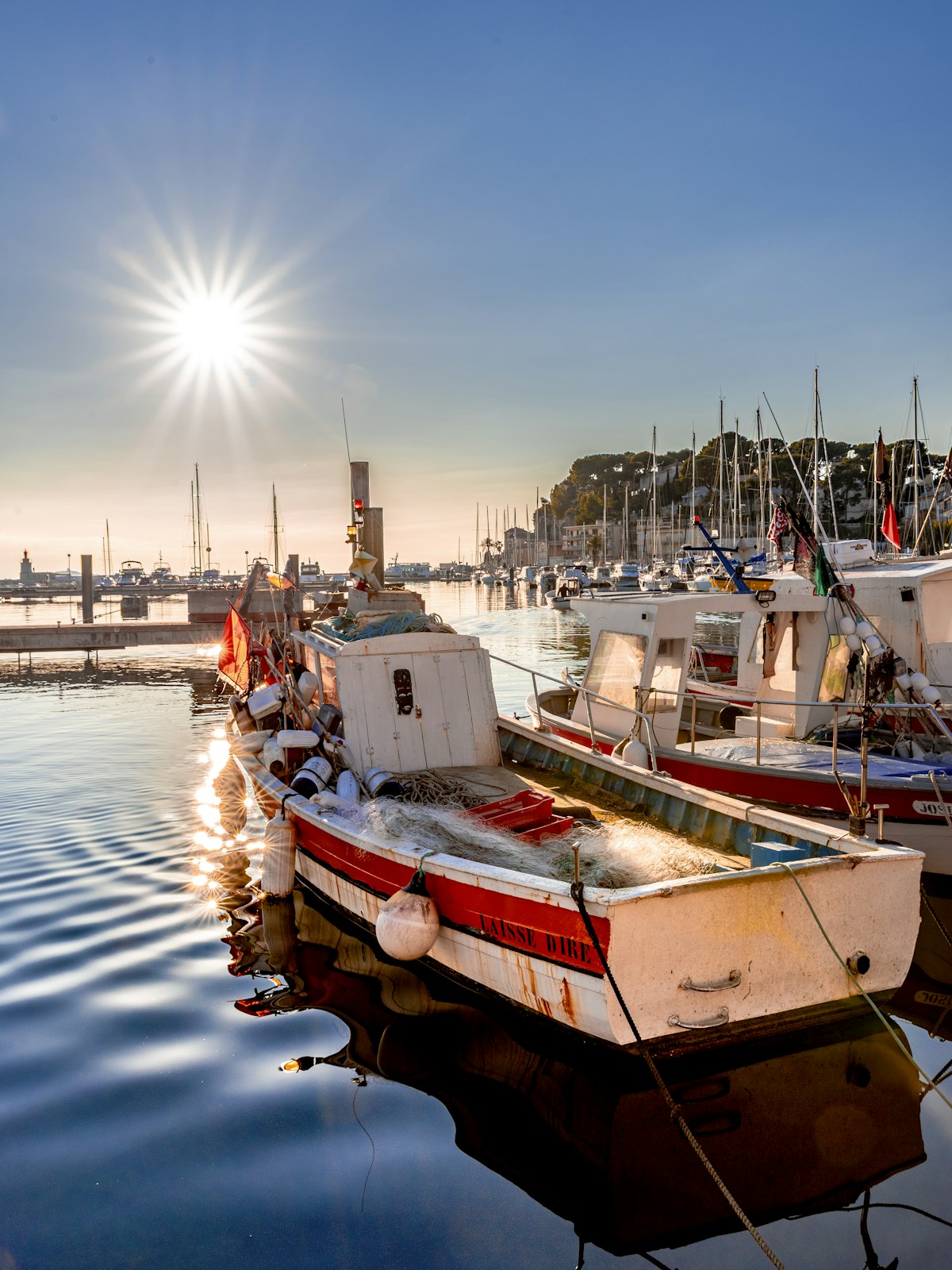
Los Sueños marina fills up with 40-to-60-foot sportfishers by 5:30 AM, engines already idling. Show up at 7 expecting to charter something decent same-day in high season (December through April) and you’ll be looking at boats nobody wanted first. Book six weeks out if you’re coming between Christmas and Easter — that’s the part nobody puts in the first paragraph of a guide.
One Reddit thread in r/Fishing shows how little a first-timer usually has to go on before booking. The poster wrote that they’d “booked a 10 hour sportfishing trip out of los suenos marina, in playa herradura, CR” after hearing it was “some of the” best fishing around, then asked what to actually expect. That’s roughly the entire research most people do before a day on the water that costs more than their flight.
The Central Pacific coast — Quepos and Los Sueños specifically, not the whole country — gets sold as a grand slam factory, and the marlin and sailfish numbers back it up: 15-20 sailfish releases in a good day of trolling isn’t rare from December to April, with reported days running as high as 30. December itself deserves a slight asterisk within that window, though — numbers there and in November typically run lower than the January-through-April core, as the water hasn’t fully warmed and blue water hasn’t pushed as close to shore yet, so “peak season” booked in December isn’t quite the same fishing as the same trip booked in February. What the marketing leaves out is that the bite dies off hard by June. Guides who stay booked through green season (May-November) aren’t running billfish trips anymore; they’re chasing dorado around FADs and floating debris lines, plus cubera snapper and roosterfish inshore. If your trip lands in August and your operator is still promising “great marlin fishing,” find a different operator. Tackle-wise, the standard spread is 30-50lb class trolling outfits with mono or wind-on leaders for sails, stepping up to 50-80lb for blue marlin when they show — and June-September is actually the better window for blues here, which runs against the sailfish-season marketing most sites lean on. Circle hooks are mandated by most operators now for billfish releases, not optional, since J-hooks gut-hook sailfish at a noticeably higher rate. If your captain hands you a straight hook rig for live bait trolling, ask why.
Roosterfish deserve their own paragraph. Most first-timers don’t realize they’re an inshore target, not offshore — these fish hunt the surf line and rocky points within a mile or two of shore, and the fight runs as a sprint-and-crash pattern rather than the long diving runs of a marlin. Locals bait-and-switch with live sardines on light spinning tackle (20-30lb braid, 40lb fluoro leader). The light-tackle rooster fight is, honestly, more memorable than most people’s billfish day, even though it photographs worse for Instagram.
Cost reality: a shared 8-hour offshore charter out of Quepos runs $180-260 per person depending on boat size and season. A private half-day inshore trip for roosterfish and snapper runs closer to $500-700 for the boat, which usually works out cheaper per angler with three or four people. Fuel surcharges got added by most operators after 2023, and nobody mentions them until the invoice — ask up front if it’s included.
One thing that saves a bad afternoon: the Pacific side chop picks up hard after 1 PM most days from January through March, driven by consistent trade winds. Morning charters aren’t just tradition. If a broker offers an afternoon slot at a discount during high season, there’s usually a reason.
Where this coast falls short compared to Panama’s Hannibal Bank a few hundred miles south: the shelf here sits closer to shore, meaning shorter run times (20-40 minutes to blue water versus 90+ minutes in some Panama operations) but also more consistent boat traffic on the same productive structure. You’re rarely fishing water nobody else touched that week. That’s a trade-off, not a flaw — less travel time, more crowded water.