Jack Crevalle: Matching Tackle Weight to Local Fish Size Actually Matters
Why jack crevalle's sustained, dogged fight demands tackle sized to your specific destination's fish, not a generic setup.
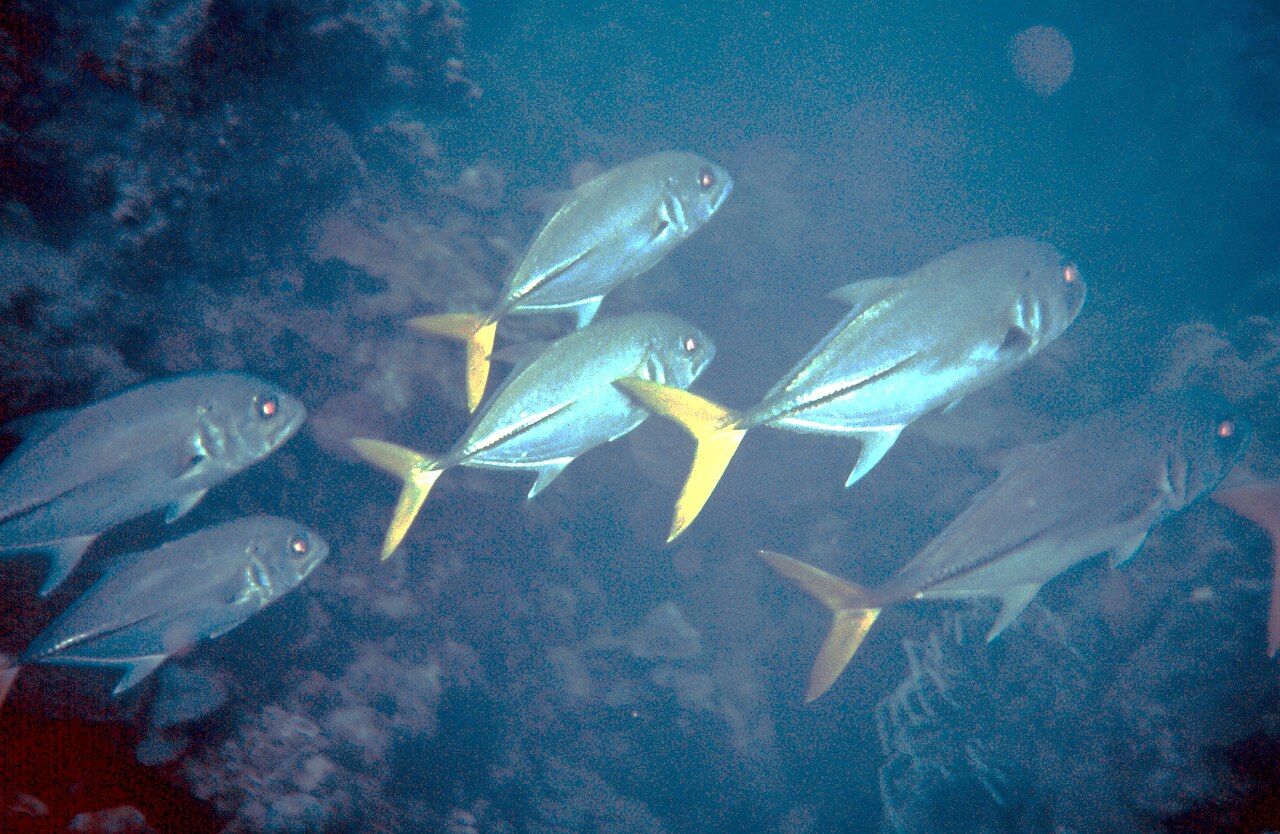
A jack crevalle from a smaller inshore population fights differently than one from waters known for larger specimens, and anglers who bring the same generic tackle setup regardless of destination often end up either undergunned against surprisingly powerful fish or carrying gear heavy enough to dampen the fight against smaller, more numerous jacks.
These fish fight with a sustained, dogged power disproportionate to their appearance, pulling hard and repeatedly rather than making one explosive run and tiring quickly the way some other inshore species do. Anglers new to jack crevalle consistently underestimate how long a fight with even a moderately sized fish can run.
Their reputation doesn’t match the fight. A Bloodydecks forum thread about trying to cook one sums up the general view pretty well — one angler summarized jack crevalle as “trash fish for the table but one hell of a gamefish,” while another described 35-40lb fish caught off Baja as fighting harder than yellowtail, pound for pound. The IGFA all-tackle world record for crevalle jack stands at 66lb 2oz, caught in 2010 off Barra do Dande, Angola, on a Williamson Jet Popper, a number that surprises a lot of anglers who’ve only ever thought of these as an inshore nuisance species too common to target seriously. West African waters producing the record, rather than the more heavily fished Florida or Gulf populations most American anglers associate with the species, is itself a reminder that the biggest specimens don’t necessarily show up where the fishery gets the most attention.
Tackle selection should reflect the typical size class in a specific destination’s waters, not a generic one-size-fits-all recommendation. Smaller inshore jacks, common in many estuary and inshore environments, suit 7-8wt fly tackle or moderate spinning gear well, providing an engaging fight without excessive struggle. Larger specimens, found more commonly in certain open-water or offshore-adjacent populations, genuinely warrant stepping up to heavier gear, similar to tackle considerations for roosterfish or cobia.
Schooling behavior means locating one fish often means locating many. Jack crevalle frequently travel and feed in aggressive, tightly grouped schools, and once one is found — often visible by surface commotion as they attack baitfish — multiple hookups from the same group within a short window is common.
Fly and lure presentation rewards a fast, aggressive retrieve that matches these fish’s own aggressive feeding style. A quick, erratic strip or retrieve draws more committed strikes than a slow, subtle presentation, since jack crevalle respond to fleeing-prey behavior rather than a cautious drift. Structure and current edges concentrate feeding activity — river mouths, inlet edges, and current seams where baitfish get pushed draw jack crevalle more reliably than open, featureless water.
Handling and hook removal deserve some care given how much these fish thrash when brought boat-side. A green, insufficiently tired fish handled carelessly can injure an inattentive angler, so giving the fight adequate time before attempting to handle the fish reduces that risk.
A lot of general inshore content treats jack crevalle as a lesser, throwaway species compared to more prestigious inshore targets like snook or redfish sharing the same water. Given the genuinely demanding, sustained fight this species puts up — often out-fighting comparably sized “prestige” species pound for pound — that reputation says more about culinary snobbery than gamefish quality.