Grouper Bottom Fishing: The First Ten Feet After Hookup Decide the Outcome
Why immediate, heavy pressure right after the bite, not a gentle fight, is what actually lands grouper from structure.
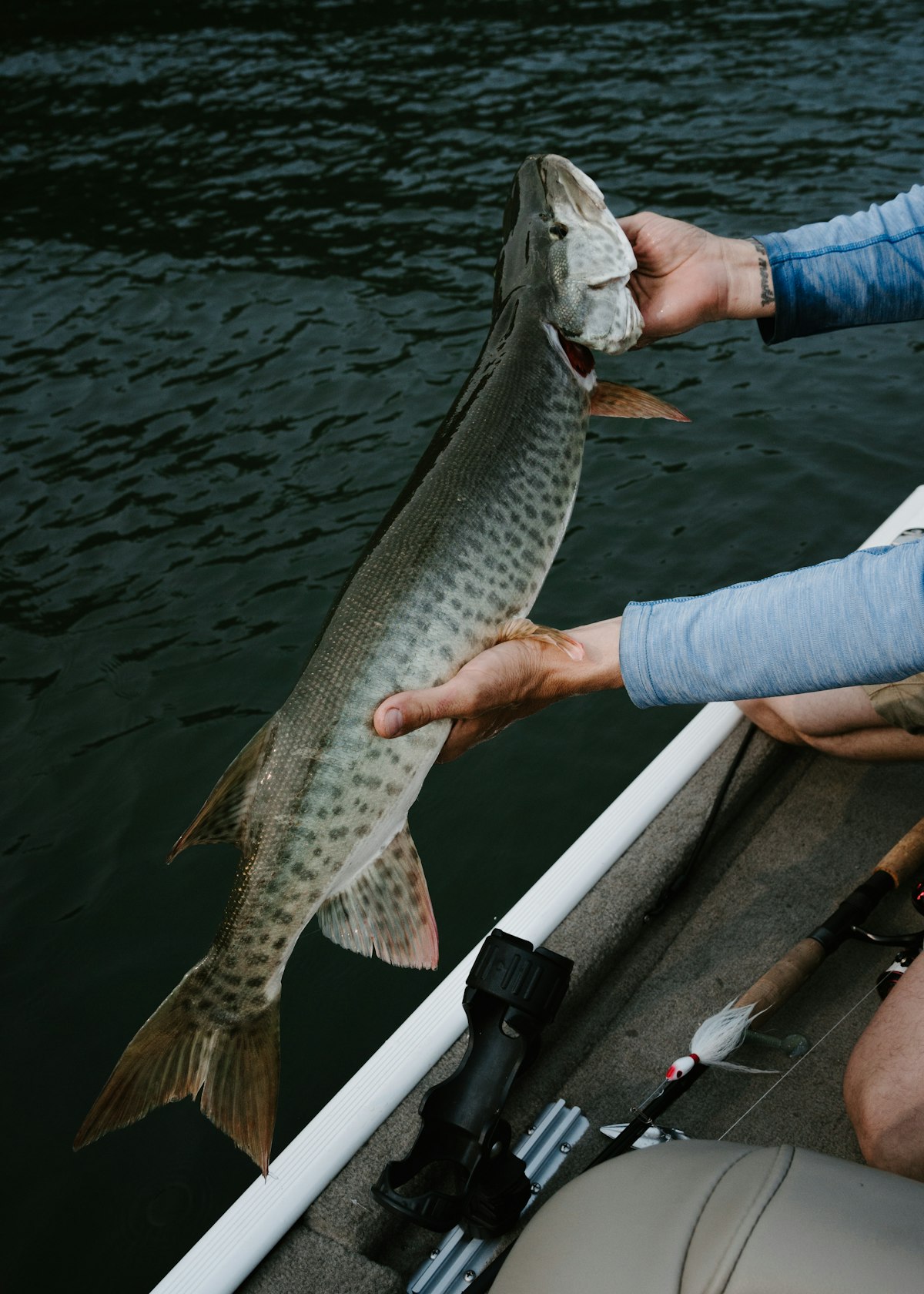
A hooked grouper’s default move is an immediate dive back toward the structure it came from. Win that initial pull within the first several feet of the fight, or the fish reaches cover, wraps the line around structure, and the encounter is over regardless of how much drag is left in reserve.
This is why grouper fishing rewards heavier gear and more aggressive initial pressure than a lot of general bottom-fishing advice implies. Anglers coming from lighter inshore tackle backgrounds consistently undergun their first response to a grouper strike, treating it like any other bottom bite rather than recognizing the immediate structure-diving behavior that defines this species.
Anchoring or drift positioning directly over known structure matters more here than for more mobile species. Grouper hold tight to specific ledges, wrecks, and hard-bottom relief, and a bait presented even a short distance off the productive structure often produces nothing, while working directly over the right spot — identified via sonar and, ideally, some local knowledge of specific numbers — produces consistently.
Bait presentation favors natural offerings over artificial lures for most anglers. Live or fresh cut bait fished on a heavy bottom rig near structure is the standard approach; jigs and other artificials can produce, particularly for anglers with the technique and gear to fish them effectively at depth, but natural bait stays the more forgiving choice for anglers newer to this fishery.
Leader and rig construction matter more here than lure or bait choice. Heavy fluorocarbon or monofilament, sized well above what the fish’s raw size alone might suggest, accounts for both structure abrasion during that critical initial fight and the simple fact that undersized leader parts against structure before an angler has any chance to apply meaningful pressure. Tackle needs to be genuinely heavy — 50-80lb class conventional gear at minimum for the average encounter.
Regulations on this species family aren’t uniform, and goliath grouper is the sharpest example. Florida’s Fish and Wildlife Conservation Commission requires any goliath grouper caught to be released immediately, unharmed, and kept in the water — the agency’s own guidance notes that a large goliath’s “skeletal structure… cannot support its weight out of the water,” so lifting one aboard for a photo can kill it outright. That’s the rule most anglers know. What a lot of them don’t know is that a narrow harvest exception now exists, the first legal goliath harvest since the species went catch-and-release-only in 1990: a $10 lottery-issued permit allows one fish per person per season, during a March-through-May window, with the harvest area excluding Martin County south through the Atlantic coast of the Keys, the St. Lucie River system, and Dry Tortugas National Park. Up to 200 permits go out annually statewide, with no more than 50 of those usable in Everglades National Park specifically. Anyone targeting goliath specifically should check current rules before assuming the old blanket ban still applies exactly as it did.
One piece of common advice is worth reconsidering here: a patient, gentle fight, out of worry about pulling the hook or breaking light leader. In practice, given how quickly these fish reach structure if given any slack, immediate, firm, sustained pressure the moment a bite is felt produces better landing rates than a gradual pressure increase that gives the fish time to reach cover. It runs counter to gentler-handling instincts that serve well with other species but actively hurts results here.