How to Catch GT on Lure: The First Five Seconds Decide Everything
Popper cadence, hookset timing, and drag settings that actually land giant trevally, not just draw a strike.
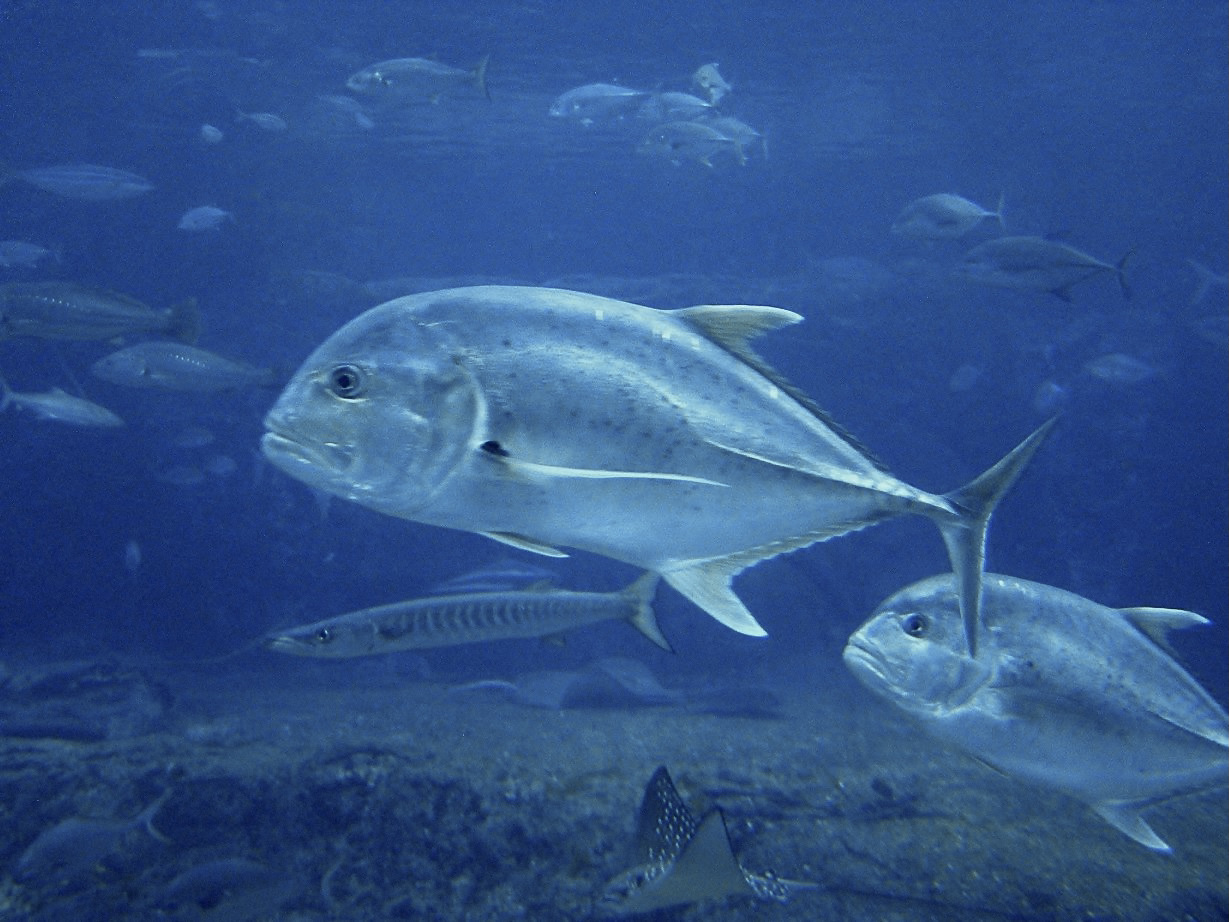
Most GT strikes happen within the first three cranks of the retrieve, and most lost fish happen within the first five seconds after hookup. Everything else about giant trevally fishing is really just preparation for that narrow, violent window.
Popper technique that actually works isn’t the aggressive, constant splashing a lot of tackle-shop advice suggests. GT respond best to an irregular cadence — two or three sharp pops, a pause of a full second or two, then a burst of faster pops before another pause. That pause is where most strikes happen, and anglers who retrieve too mechanically, popping at a constant rhythm, get noticeably fewer committed strikes than those who vary it. I’d argue the pause matters more than lure choice, which runs against most gear-focused advice online.
Stickbaits earn their place for a specific reason: on days when GT are keying on baitfish moving fast and low rather than splashing on the surface, a walk-the-dog stickbait worked with a side-to-side darting action out-produces a popper. Twenty casts with a popper and nothing but follows is worth a switch before assuming the fish simply aren’t feeding.
The hookset itself is where a lot of anglers fumble a good shot. GT typically crush a lure and turn immediately — a soft, delayed hookset lets the fish spit it or get its head turned toward structure before real pressure is applied. The moment you feel weight, drive the hookset hard with a low rod angle, then immediately lift the rod tip and lock down drag. Anglers coming from lighter inshore fishing disciplines consistently undergun this initial hookset.
One published account of a Christmas Island trip, written by angler Dave Kilhefner for FlyFishUSA back in January 2016, captures how unforgiving that window actually is even when the gear is right. His travel partner had chased GT on and off for ten years at other locations without ever landing one. Kilhefner’s own personal best ran around 90 pounds — and he lost a bigger fish that pulled the hook after a 300-yard run, on 12wt gear built specifically to turn fish that size. Even the right rod, the right leader, and a hooked fish don’t guarantee a landed one; a hook can still pull loose after the fight is mostly won.
Drag setting is where most first-timers get it wrong before they even cast. A drag set too light lets a GT run straight for the nearest structure (reef, coral head, rocks), and once it reaches cover, the fight is essentially over regardless of leader strength. Most experienced GT guides set drag at 25-35% of leader breaking strength or higher, which feels uncomfortably heavy to anglers used to more finesse-oriented species, but that discomfort is the point.
Leader and knot strength matter less than people assume; connection quality matters more. A properly tied FG knot connecting braid to 100-130lb fluorocarbon shock leader holds up fine under GT pressure — the failures that happen in the field are almost always a rushed or under-practiced knot, not undersized material. The FG knot works precisely because it’s a friction knot rather than one relying on the line’s own tensile strength at a bend point: the braid wraps tightly around the leader under building pressure rather than cinching down and cutting into it, which is why it holds a higher percentage of full line strength than most standard connections. That advantage disappears fast with a sloppy tie, though, which is exactly why practicing it under real load, not just tying it neatly on a table at home, matters before any trip.
One thing worth pushing back on: bigger isn’t always better for lure size. On pressured water where GT have seen plenty of large, aggressive poppers, dropping to a smaller profile lure worked with the same aggressive cadence sometimes draws strikes from fish that have started ignoring the standard oversized offerings. Match lure size to how pressured the specific water is, not to the theoretical maximum GT size hoped for.