Milkfish on Fly: Why Your First Encounter Will Probably End in Failure, and That's Normal
Why milkfish's explosive first run and specific plankton-imitating flies make this one of saltwater fly fishing's hardest targets.
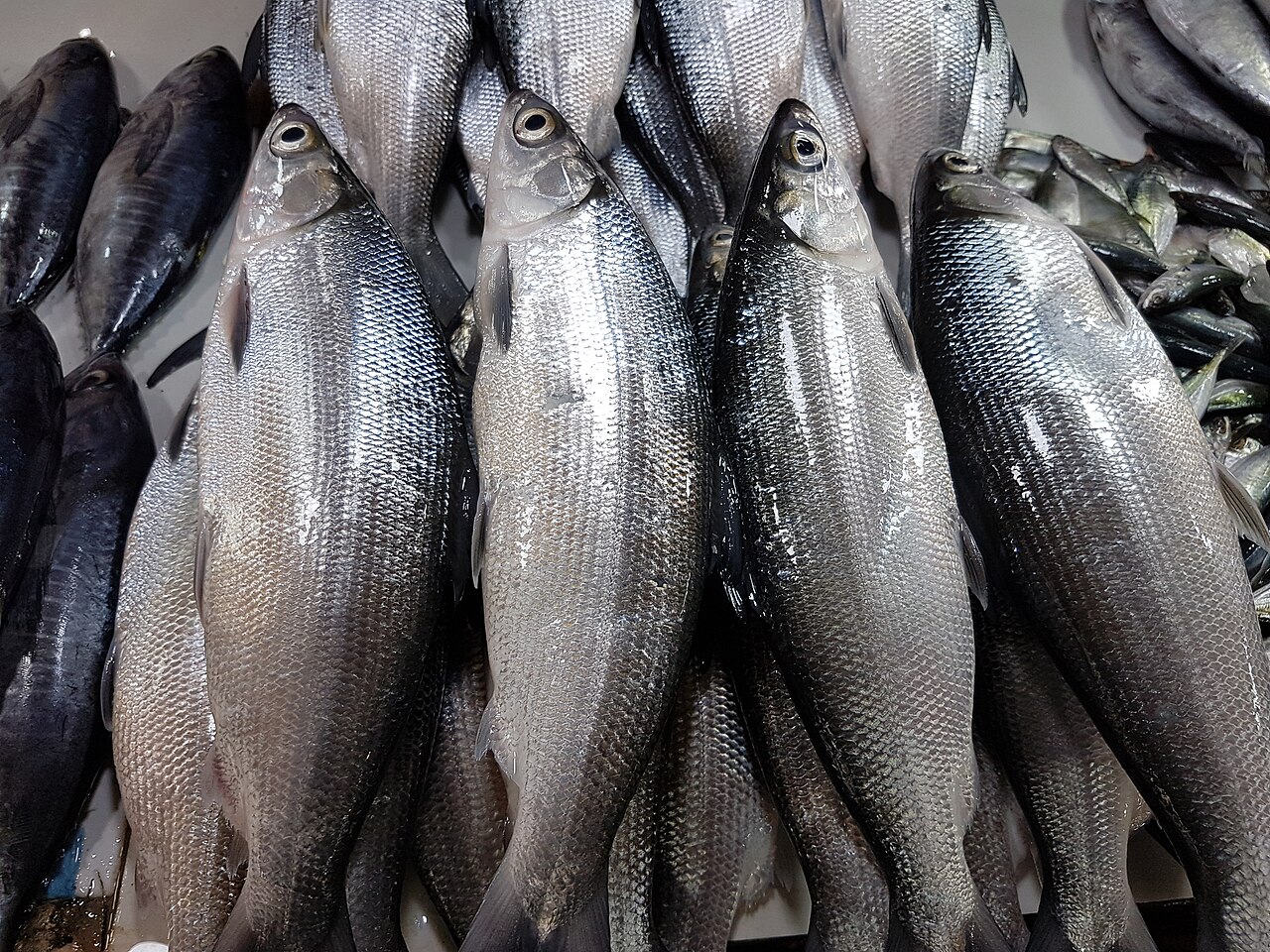
Most anglers hook their first milkfish, feel an initial run that seems to come from a fish twice the size, and lose it inside the opening seconds. Guides who work milkfish daily treat that as normal, not a sign of bad technique.
One blog account from St François Atoll, part of the Alphonse group in the Seychelles, captures why. Veteran guide Wayne Haselau warned his anglers upfront that “these fish play dirty,” and the write-up backs him up with a number worth sitting with: battles running over an hour are commonplace, but success rates still land under 50%, with hooking the fish counting for only about a quarter of the actual challenge. In the same account, an angler named Toby lost a hooked milkfish that wrapped the leader around a single coral head “no bigger than a folded garden umbrella.” “It’s gone,” he said. It was. Doing everything right up to that point hadn’t mattered.
Wayne isn’t just any guide describing this difficulty secondhand. He’s the guide credited with landing the first milkfish ever caught on fly at Alphonse, and he co-developed two patterns that now anchor the species’ fly box: Wayne’s Milky Magic, tied mostly in chenille that, according to Blue Safari Fly Fishing’s own breakdown of the pattern, is meant to represent “the egg-sack of a variety of crustaceans caught up in the algae,” and the Milky Dream, an olive-and-chartreuse pattern with a strand or two of crystal flash standing in for the copepods that drift around grazing algae beds. Part of what makes the fight so punishing has a physiological explanation: milkfish don’t build up lactic acid the way most fish do under sustained exertion, which means they simply don’t tire on the same timeline an angler expects. A fused gill structure running most of the length of the body lets them process enough oxygen to keep pulling hard well past the point where a comparably sized gamefish would be fading. In the same Alphonse account, Wayne himself hooked a genuinely oversized fish that towed him and his guide across an entire lagoon for over an hour before it was finally netted, a fish that measured 130cm nose to tail and was estimated at around 40lbs, landed only once the tide dropped enough to slow it on a drying flat.
Milkfish feed almost exclusively on tiny plankton and algae, which makes fly selection genuinely different from most saltwater fly targets. Predatory species respond to baitfish patterns; milkfish don’t. Flies have to imitate the small, often planktonic food they actually key on, which means the baitfish patterns that draw strikes from GT or bonefish frequently get ignored here entirely. Jako Lucas, a guide who’s built a specific milkfish program around this problem, put the design brief plainly in a piece for Yellow Dog Flyfishing: “Make sure you have the right fly that will float and drift correctly in the water. Very often we find that it is the fish that swim sub-surface, underneath the rising fish, that will take the fly” — meaning the visible, gulping fish at the surface often isn’t even the one that eats.
Not every milkfish encounter happens on a pristine flat working a natural feed, either. One blog account from Christmas Island (Kiritimati) describes a considerably less elegant method: anchoring alongside the tuna processing boats that work the atoll, then having guides tear chunks off small baitfish and throw them as chum. “Seconds later the water around your boat is full of milkfish and various types of trevally,” the writer noted, adding that even in that feeding frenzy the milkfish take an algae or flesh fly only rarely, guessing they refuse it “99% of the time.” It’s not the purist’s milkfish. The same account is upfront that the local guides keep every fish caught that way to feed their families rather than releasing it, which is worth asking about before booking: it isn’t a given that a milkfish session runs catch and release the way a bonefish session on the same flats does.
Tippet strength runs into an odd ceiling with milkfish flies specifically. One Christmas Island gear breakdown notes that 20lb tippet, the standard heavy end for bonefish leaders there, “often exceeds the breaking strength of the hooks on many bonefish flies” once a milkfish is actually pulling, meaning the hook can straighten or snap before the leader gives out. That pushes anglers serious about the species toward flies tied on genuinely heavy-gauge saltwater hooks rather than assuming standard bonefish-fly hardware will hold, even when the tippet on the spool looks more than strong enough on paper.
Reading the feeding rhythm matters as much as fly choice. Milkfish often feed at the surface with a distinctive gulping or sipping motion, and presenting a fly to intercept that specific rhythm, rather than casting generally at the fish, is what separates a hookup from a refusal. Lucas is blunt about how much this comes down to repetition rather than talent: “Presentation of the fly is everything. Make sure you practice casting before your trip because you will need to be accurate and able to make repetitive casts,” since a milkie that won’t move more than a foot or two for a fly punishes an angler who can’t consistently drop one exactly where it needs to be.
The run itself is where most first attempts end. A drag set too tight, or an angler who doesn’t clear line fast enough to let the fish go, loses milkfish in the first few seconds regardless of how good the cast and the take were. Tackle needs to be built around that one moment. Lucas runs 11-weight rods as his default, though he says anything from a 9 to a 12-weight works with a matched saltwater reel carrying a smooth, reliable drag, plenty of backing, a floating tropical line, and a 20-30lb tapered leader; guides at Christmas Island build a similar leader differently, favoring roughly 10 feet split into 8 feet of 40lb mono to keep the fly from sinking too fast and a 2-foot section of 20lb fluorocarbon tippet on the business end. Lucas breaks the fight itself into three distinct phases — the initial hookup, a middle stretch where the fish tends to break away, and a final stage he compares to “a tuna fight, where they swim straight down” — and says a fish as small as 20 pounds has taken clients up to two hours to land, which lines up with the hour-plus fights described at Alphonse and suggests that timeline isn’t an outlier.
Guide knowledge matters more here than for most species in this guide. Spotting genuinely feeding fish and reading that gulping rhythm takes real repetition, and a guide who specializes in milkfish specifically, the kind more common in destinations like the Seychelles or Christmas Island where the species gets dedicated attention, closes the gap for a visiting angler faster than general flats experience does. The nickname that’s stuck to the species among guides who work it, “the fish of a thousand casts,” isn’t marketing exaggeration so much as a fair summary of the math: a lot of accurate presentations to a lot of fish, most of which end in nothing.
One thing worth reconsidering: anglers who fail on their first attempt often conclude the species isn’t worth the trouble. Among anglers who’ve eventually connected, milkfish get ranked as one of the most rewarding, technically demanding targets in saltwater fly fishing, specifically because of that difficulty. An early loss is part of the learning curve, not a reason to give up on it.