Bonefish Flats Fishing: What Actually Trips Up First-Timers
Why line management, not casting distance, separates a productive first bonefish flats trip from a frustrating one.
New flats anglers almost universally make the same mistake in their first hour on the water: too much line stripped off the reel, coiled loosely at their feet, waiting to snag an ankle or a mangrove root the moment a bonefish shows up and a fast cast is needed.
Line management is the unglamorous skill that actually separates a productive flats day from a frustrating one, more than casting distance or fly selection. Strip loose line into controlled coils in a stripping basket or your line hand rather than dropping it at your feet, so when a guide spots a fish and calls out a distance and direction, you can get a cast off cleanly in the few seconds available before the fish moves out of range or spooks.
Whether a basket actually helps is more contested than most beginner guides let on. A long-running thread on Fly Fishing Forum has saltwater anglers arguing both sides of the question. One poster who’d fished the Northeast for years put it bluntly: most anglers “just don’t know how to manage loops in the line hand because they skip right over the loop management skills when they buy the bucket with the beginner 9-footer” — his view was that a basket is unnecessary on most bonefish flats and gets in the way more than it helps. Another angler in the same thread pushed back, describing the one situation where he still wanted one: current running opposite a crosswind, which sweeps loose loops to one side while the wind forces the cast the other way. Both had years of flats experience. Their disagreement is itself useful — a basket isn’t a fix for bad loop management, and depending on conditions, some experienced anglers skip it entirely.
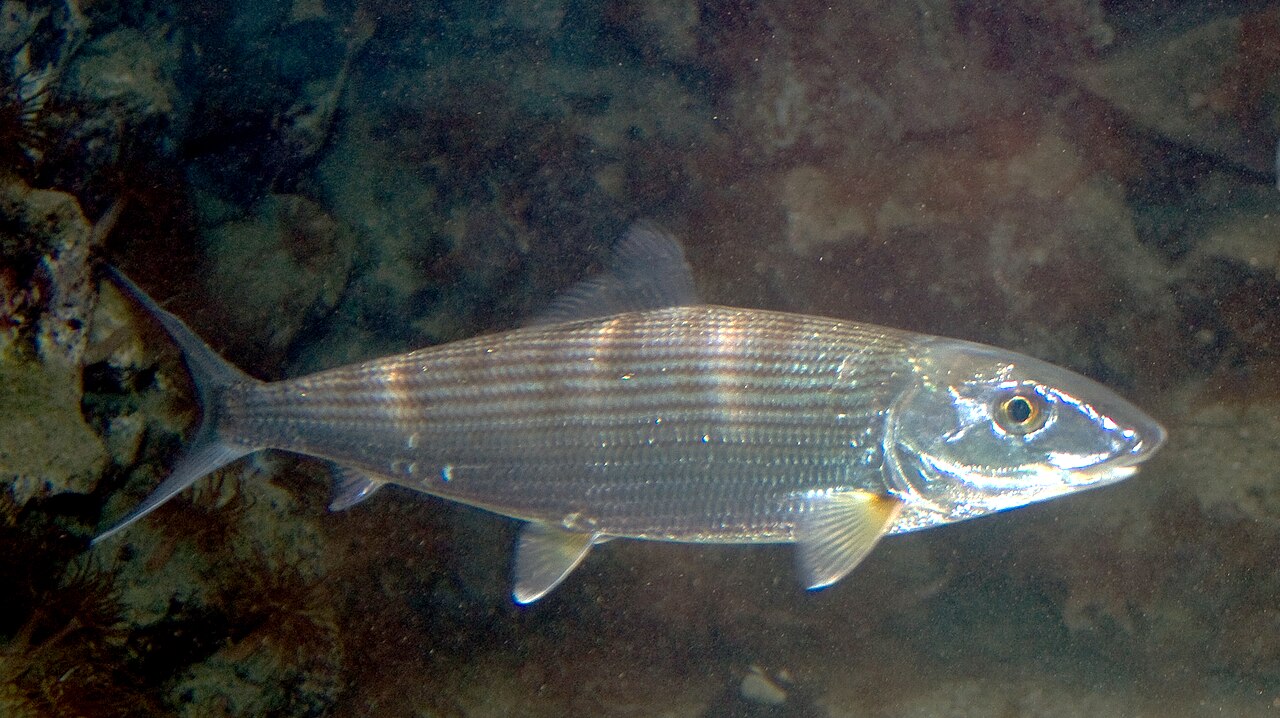
Bonefish feed by tailing and mudding: a tail breaking the surface, or a small cloud of stirred sediment where a fish is working the bottom. Spotting these signs yourself, instead of waiting for your guide to call them out, speeds up the learning curve more than almost anything else a first-timer can do.
Reading recommended in the broader bonefish literature is worth taking seriously rather than treating as optional. Dick Brown’s “Fly Fishing for Bonefish” is the book most experienced anglers point beginners toward first, specifically for its chapters on reading water and actually seeing fish before casting, while Chico Fernández and Aaron Adams’ “Fly-Fishing for Bonefish” covers the fuller picture of tackle, presentation, and fish-fighting technique in enough depth to function as a complete flats-fishing reference rather than a bonefish-only book. Both cover casting angles, retrieve speed, and feeding patterns in more depth than a single guided day can teach, and pairing a trip with some study beforehand meaningfully improves how much you get out of a guide’s coaching in real time.
Muddy water calls for a heavier, more visible fly fished closer to the fish. Bonefish feeding in stirred-up sediment lean on detecting vibration and movement rather than sight — a subtle presentation that works beautifully over clean sand often goes completely undetected once the bottom clouds up.
Tackle for bonefish runs lighter than most other flats species: 7-9wt fly rods or 8-10lb spinning tackle covers the vast majority of encounters. Going heavier reduces the sporting quality of the fight without improving landing rates much, since bonefish rarely run toward structure that would justify heavier leader or drag.
One common piece of beginner advice is worth pushing back on. Minimizing false casts to avoid spooking fish is generally sound, but taken to an extreme it produces rushed, poorly-aimed casts that miss the target distance or lead entirely. One clean, well-timed false cast to gauge distance, followed by a decisive presentation cast, usually beats a panicked single-cast attempt made purely to avoid false-casting at the cost of accuracy.