Mauritius Blue Marlin Fishing: Black River's Reputation Is Earned, But Read the Fine Print
Why Black River's grander blue marlin fishery peaks November-March, and what makes fresh bait the deciding factor.
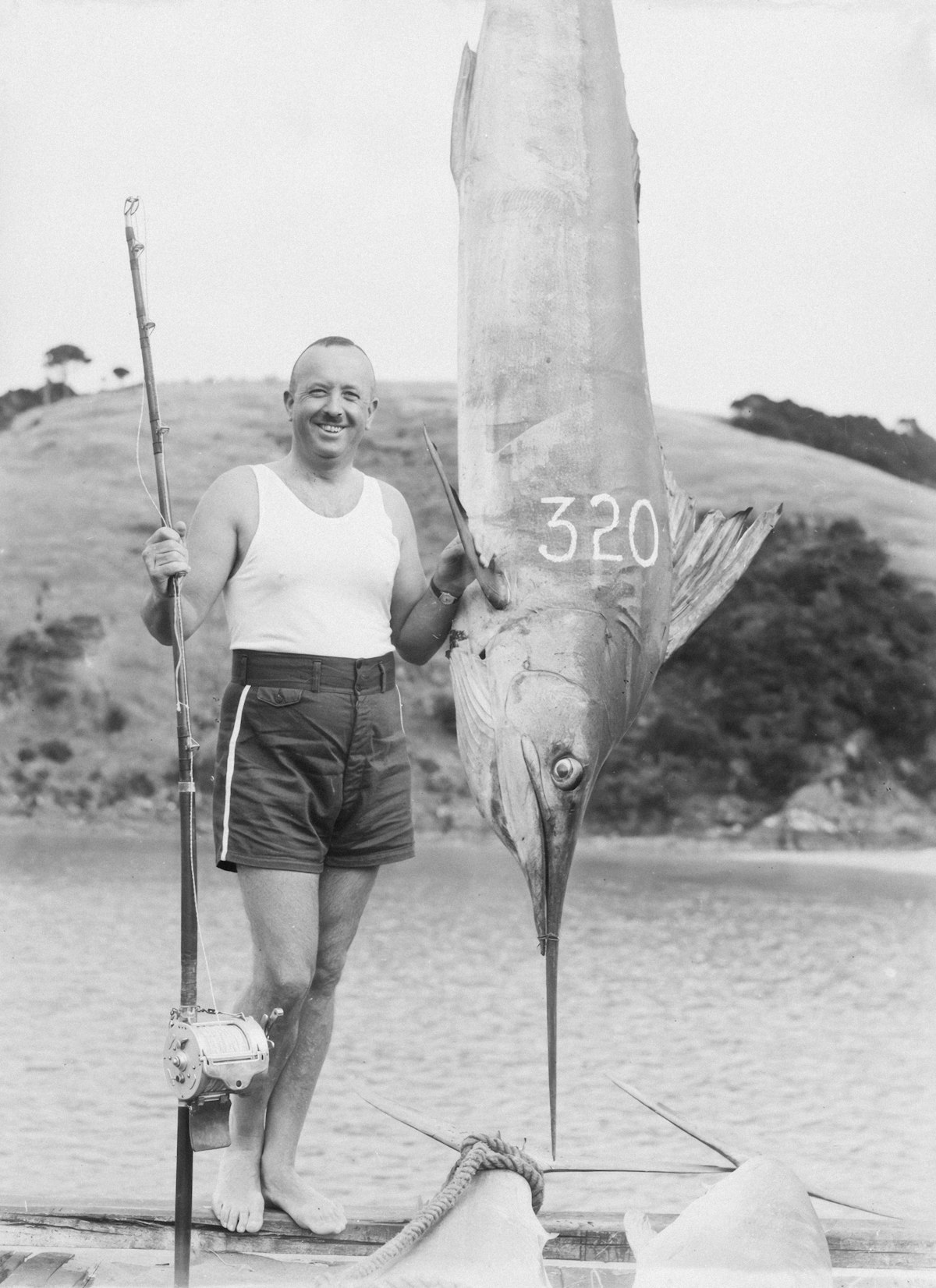
A grander blue marlin, over 1,000lbs, gets caught off Mauritius’ Black River coast with enough regularity that serious billfish anglers put this destination on the same tier as more famous marlin fisheries, and that reputation is legitimate. The country’s actual record book backs it up rather than just repeating the marketing: the Mauritius national record stands at 1,430lbs, caught by Louis Simonis aboard Challenger I back in 1984, with two other fish over 1,300lbs weighed in the years right after, and in 2007 the fishery produced an IGFA men’s 80lb-test world record, a 1,237-pound blue landed by Stephen Kreu. Those aren’t recent one-off catches inflating a newer reputation — the fishery has been producing grander-class fish for four decades. What the general “great marlin fishing” pitch skips is how much of that success concentrates into a narrower window and specific structure than it lets on.
Black River, on Mauritius’ southwest coast, benefits from deep water close to shore. The bottom drops off steeply, so marlin-holding structure sits within a short run rather than the hours some destinations demand just to reach blue water, a real practical advantage when a weather-shortened day still needs to leave meaningful fishing time.
Reviews of Riviere Noire operators give a sense of what an actual day out there produces, and it’s a wider range than the “grander” headline suggests. Guests fishing with Fish Whisperer, run out of Grande Riviere Noire aboard the boat Extasea, have reported an 836lb blue marlin landed after a three-hour fight, and a 392lb fish taken on a trolled live yellowfin tuna. A separate Tripadvisor review of the Golden Wave 3 charter under Captain Vic describes an eight-hour day that produced a 200lb blue marlin. Those numbers are the honest shape of most trips here: solid, genuinely exciting marlin in the 200-800lb range. The true grander-class fish are the outlier that gets photographed and shared rather than the baseline outcome, but they’re not marketing fiction, either — the same operation, Golden Wave Charters, landed and weighed a genuine 1,072lb blue marlin at the Le Morne Anglers Club, one of the largest confirmed grander catches this fishery has produced.
Not every trip ends with a photo. A Tripadvisor review of Marlin Tours Mauritius, otherwise positive, notes the boat “lost 4 Marlins after the strike or during the fight” in a single outing — a reminder that hookup rate and landing rate are two different statistics, and marketing material tends to only quote the second one. Another reviewer fishing with Sportfisher out of Grand Baie described “the swell was quite large for the first 4 hours and 4 of us suffered bad sea sickness,” with little sympathy offered from the crew. Boat quality varies by operator too, not just by luck: one review of a smaller Trou aux Biches operation complained the boat was “extremely small and bare,” with simple bench seats, no shade, and a captain and helper who “spent the entire time in the boat smoking” rather than engaging with guests. None of this means Mauritius underdelivers. It means the gap between a premium sportfishing operation and a budget day-boat is wide enough here that operator selection matters as much as season selection.
Peak season for the biggest fish runs roughly November through March, tracking the Southern Hemisphere summer, though smaller marlin and other billfish show up across a wider window. Anglers specifically chasing grander-class fish should target the December-February core rather than the shoulder months. There’s a secondary complication worth knowing about: some Mauritius operators market a June-through-August “winter marlin” window too, and black marlin genuinely do show up then. But the same operators’ own seasonal guidance admits the East coast runs “windy and chilly” in that stretch, and that between May and the end of August, “cancellation is also very probable depending on weather conditions.” Treat the winter window as a real but weather-gated bonus, not a second peak season to plan a whole trip around.
Tackle skews heavy for the size class being targeted: 80-130lb class conventional outfits are standard, with large skirted lures and natural bait rigs making up the typical spread. Live bait specifically means freshly caught skipjack or bonito tuna in the 4-5kg range, slow-trolled along the first major drop-off, which runs to roughly 300 feet (100 meters) not far offshore — a technique that only works because that depth sits so close to the coast in the first place.
One detail separates a good Mauritius marlin trip from a mediocre one, and it has nothing to do with lure selection: bait freshness. Because productive structure sits close to shore, well-run operations catch bait the same morning rather than fishing frozen bait held over from previous days. It’s worth asking about specifically when booking, on a fishery where marlin can be selective about what they eat.
Cost runs upper-middle for dedicated marlin charters, though the range is wider than a single number suggests. General charter-review sites put half-day boats around €350 and full-day boats around €850 for standard operations, while a private full-day trip on a dedicated sportfishing boat, the kind actually rigged and crewed for grander-class marlin, typically lands in the $700-1,200 range depending on boat size and operator reputation. That positions Mauritius as cheaper than Kona or Cabo’s premium operations while still commanding a real premium over budget-tier destinations, and it’s a fair warning that the cheapest boat on a booking site and the boat that’s landed a 1,072-pounder are not the same purchase.
Where Mauritius underperforms the marketing: outside the core marlin season, the fishery’s broader appeal thins out compared with more diversified destinations like Panama or the wider East African coast, both of which hold strong secondary fisheries (tuna, wahoo, inshore species) that keep an off-season trip worthwhile. It’s also worth a passing comparison to the Seychelles, another Indian Ocean destination this guide covers, though the two barely overlap in what they’re actually selling. Seychelles’ Alphonse and Farquhar atolls built their reputation on giant trevally and bonefish flats fishing, not billfish, so an angler choosing between them is really choosing between two entirely different trip types that happen to share an ocean. Book Mauritius outside November-March expecting the same marlin intensity, and the trip will likely disappoint. This is a destination built around its peak window, not a flexible year-round one.
Several of the higher-end operators now advertise tag-and-release as their default approach to blue marlin rather than the automatic kill-and-weigh practice that built the fishery’s reputation decades ago, mirroring a shift seen across most major billfish destinations. It’s worth confirming a specific boat’s policy directly rather than assuming it, since it isn’t universal, and a guest specifically hoping for a photo with a landed grander needs to say so when booking. Weighing a fish at a club scale, the way both the 1984 national record and the 1,072-pound Golden Wave fish were confirmed at Le Morne Anglers Club, still happens for genuine milestone catches, but it’s the exception rather than the routine outcome of a good day now. Getting there is straightforward by the standards of this guide’s more remote entries: Air Mauritius and several other carriers run direct or one-stop flights from major European and South African hubs into Sir Seewoosagur Ramgoolam International Airport, and most Western nationalities don’t need a visa arranged in advance for short tourist stays. That ease of access is part of why Mauritius supports a denser cluster of competing charter operators than a place like Vanuatu or the more far-flung Pacific destinations elsewhere in this guide, which is good for price competition but makes operator vetting, reading the actual boat and crew reviews rather than the marketing page, more important here than almost anywhere else this guide covers.