Skip the Billfish Charter: Costa Rica's Inshore Game Is Underrated
Cubera snapper, roosterfish, and snook on light spinning tackle near river mouths, and why it beats a full-day offshore marlin charter on cost.
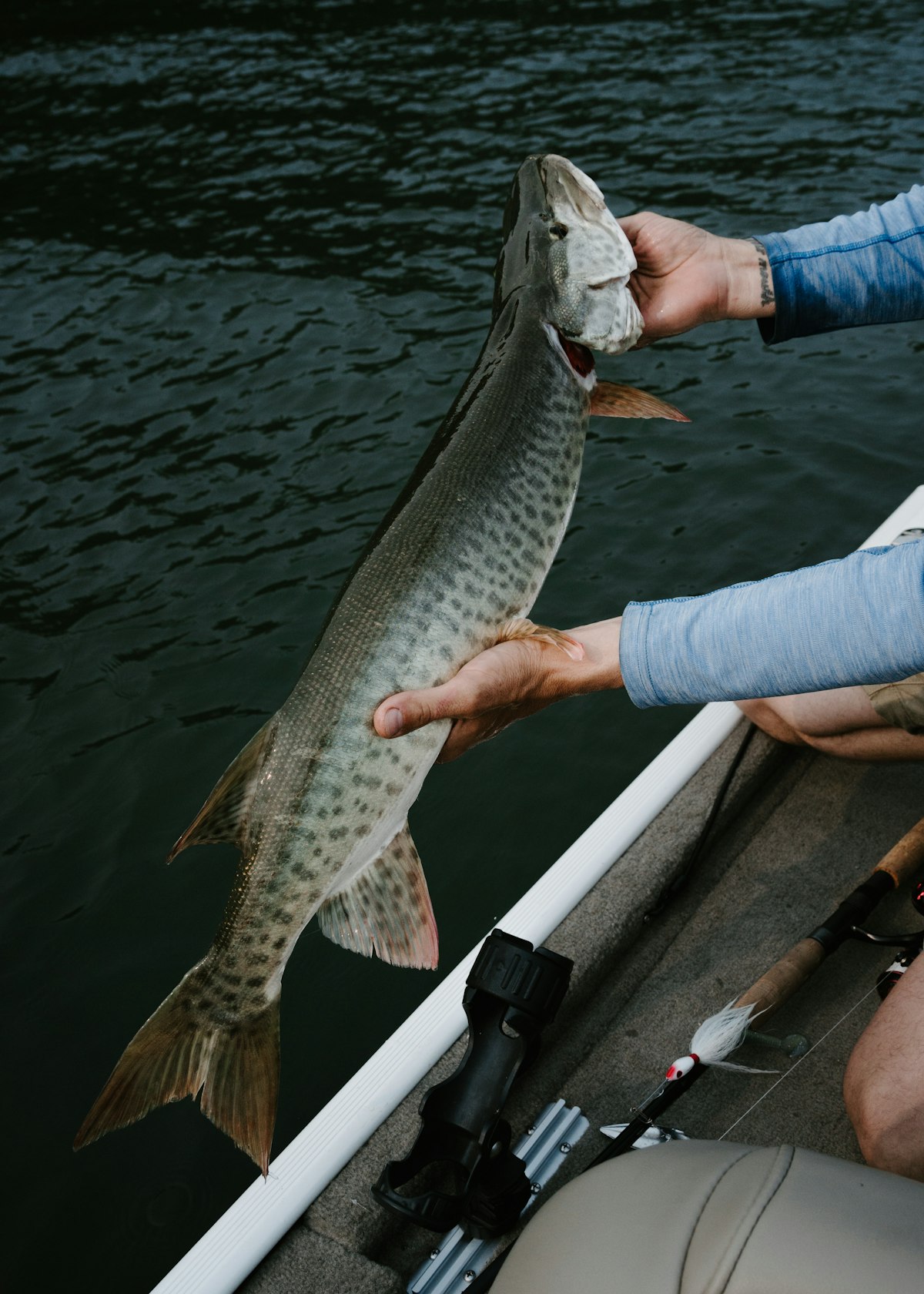
A 12lb cubera snapper will break 50lb leader against structure in under four seconds if you let it get back to the rocks. That’s the entire argument for fishing Costa Rica’s inshore water instead of booking straight offshore like every guide tells you to.
Most first-time visitors default to a full-day billfish charter because that’s what gets marketed hardest — sailfish photos sell trips. But the inshore program around Quepos, Tamarindo, and the Golfo Dulce down south targets a completely different set of fish on completely different tackle, and for anglers who’ve done a few offshore trips elsewhere, it’s often the more interesting day on the water.
Ryan Collins, who runs the fishing blog My Fishing Cape Cod, posted an account of hooking a cubera from the beach on Costa Rica’s southwest Pacific side: “My popper was tumbling down the face of an incoming wave when I gave the popper one last ‘pop!’ The popper was now about 10 feet from my rod tip, and I was just thinking about making another cast when the rare and powerful cubera snapper burst through the wave and hammered the lure.” Locals told him a cubera from the surf is genuinely unusual — most people fishing that stretch aren’t running the plugs and tackle needed to connect with one. Not everyone in the comments got that lucky. One reader, Jamie, wrote back that he’d had a cubera “chase my gibbs pencil off the rocks down there once, but no hookup” — which is closer to how most encounters with this fish actually go than a clean grip-and-grin photo suggests.
The core inshore targets are roosterfish, cubera and dog snapper, jack crevalle, and snook where river mouths meet the surf. None of these require a 45-foot sportfisher — most inshore trips run on 22-26 foot center consoles, which also means the ride is rougher in afternoon chop but the boat costs a fraction of an offshore charter. Tackle is spinning-reel territory: 20-30lb braid on 4000-6000 size reels, 30-50lb fluorocarbon leader, live sardines or blue runners as bait fished on circle hooks under a balloon or free-lined near structure. The skill that separates a good inshore guide from a mediocre one is bait presentation near rock piles — the bait needs to be working the edge of structure, not sitting in open water, and a lot of first-timers reel too fast on the retrieve out of nervousness about losing the bait.
Cubera snapper fishing runs counter to what most people expect from “snapper” as a category. These aren’t the plate-sized red snapper from the Gulf — a mature cubera pushes 40-80lbs and lives inside rock structure, meaning the fight is entirely about winning the first five seconds before it reaches cover. Guides here often fish heavier drag settings than feels comfortable, because a soft drag just means you lose the fish to the rocks more slowly instead of faster.
Snook fishing works the river mouths, particularly around the Tárcoles and Savegre rivers, and is genuinely seasonal in a way most guides undersell. The best window is the transition from dry to green season, roughly April-May, when baitfish get pushed out of the rivers by rising water levels. Fish it in peak dry season (February) and you’ll likely go home disappointed, no matter how good your guide is.
Where this beats offshore, honestly, is cost: a half-day inshore trip for two to three anglers runs $350-500 for the boat total, versus $1,200-1,800 for a full-day offshore charter targeting billfish. Inshore fish are also table-quality — cubera and snook both eat far better than anything you’d keep from a billfish trip, which you’re releasing anyway under most operator policies.
Where it falls short: if a grand slam photo is the actual goal of the trip, inshore won’t get you there. Roosterfish over 40lbs, cubera in the 60+ range, and a solid snook are all legitimate trophy fish in their own right, but they don’t carry the same bragging rights back home as “I caught a sailfish in Costa Rica.” Decide which story you actually want to tell before you book.