Best Fishing Headlamp: Red-Light Mode Matters More Than Lumen Count
Why a genuinely usable red-light mode and battery life matter more than maximum lumen output for night fishing.
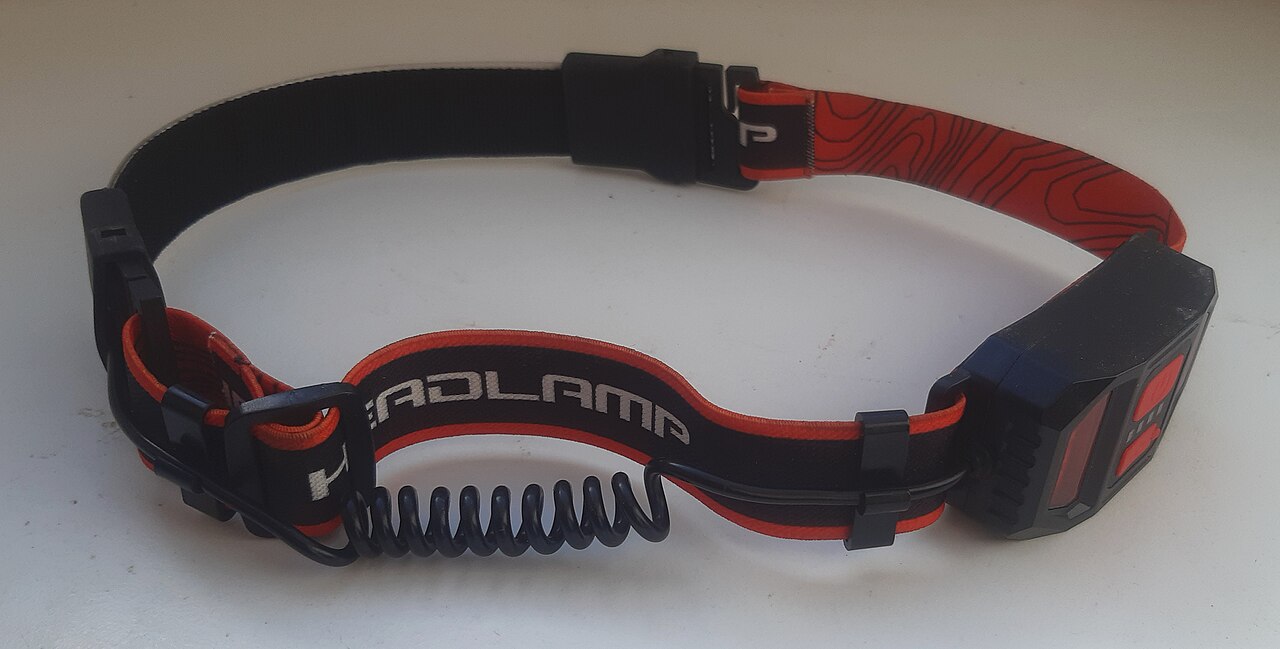
Headlamp shoppers fixate on maximum lumen output as the main quality signal. For night fishing specifically, a genuinely usable red-light mode and sensible brightness control matter more for actual usability than a brightness number that can work against you on the water.
A thread on the MuskieFIRST forum asking “What’s you guys’ preferred headlamps for our night fishing?” ran to dozens of replies, and almost none of them were about lumens. Full-brightness white light hurts night vision and can spook fish in shallow, clear water at close range. Red light preserves that adaptation while still lighting up a knot or a hook. More than one angler in that thread said the same thing in different words. One put it as simply wanting “something with a red light option.” Another said he likes “red or green for low light, blue is too close to the standard white for me to make any kind of a difference.”
Waterproofing deserves scrutiny past the marketing claim, and this is where the thread got genuinely useful. One angler with twenty years of night fishing behind him wrote that his “top of the line Princetontec and Black Diamond” lamps both had real failure modes despite the price. The Princeton Tecs had circuit boards fail on him, and “the Black Diamond’s have issues with the door hasps breaking off.” His actual daily driver ended up being a twenty-dollar Braun headlamp from Harbor Freight: “500 lumens on 3 triple AAAs and has red light… at $20 a pop, buy two and you’ll have a back up or loaner.” That’s a real case of well-regarded, expensive brands failing in the field and a cheap one holding up, worth knowing before assuming price tracks reliability.
Battery life under realistic use matters more than a runtime figure tested at minimum brightness. Marketing numbers rarely reflect how anglers actually run a lamp during an active session: untangling a rig, unhooking a fish, digging through a tackle bag.
The reason red light specifically preserves night vision, rather than just being dimmer white light, comes down to how eyes adapt to darkness. The rod cells responsible for low-light vision are far less sensitive to red wavelengths than to white or blue light, so red light lets an angler see close-up detail without resetting the eye’s dark adaptation the way even a brief flash of white light does. That’s also why some anglers in the thread preferred green over red for certain tasks — green sits closer to the peak sensitivity of human night vision, trading a little of red’s adaptation-preserving benefit for genuinely brighter close-up visibility.
Weight and comfort over hours of wear matter more than a quick in-store try-on suggests. A lamp that feels fine for five minutes can still be uncomfortable four hours into a night session.
Beam adjustability between flood and spot serves different jobs through a session. Flood works for moving safely around a dark deck; spot is better for tying a knot or checking a catch closely.
One thing worth weighing honestly: as one poster on that same thread put it, “I wouldn’t overthink it because as soon as you buy a nice one, you’ll lose it, break it or drop it over the side of the boat.” That’s not really an argument against buying a good headlamp. It’s a reasonable argument against buying the most expensive one you can find and babying it.
Bottom line: for night fishing specifically, prioritize a genuinely usable red-light mode and real-world durability over maximum lumen count, verify battery life at the brightness you’d actually use rather than the advertised minimum, and don’t assume the priciest, most reputable brand is immune to the kind of field failures anglers report even on well-known names.