Best Fishing Fillet Knife: Blade Flex Matters More Than Steel Hardness Numbers
Why blade flex matched to your target species matters more than steel hardness rating for a saltwater fillet knife.
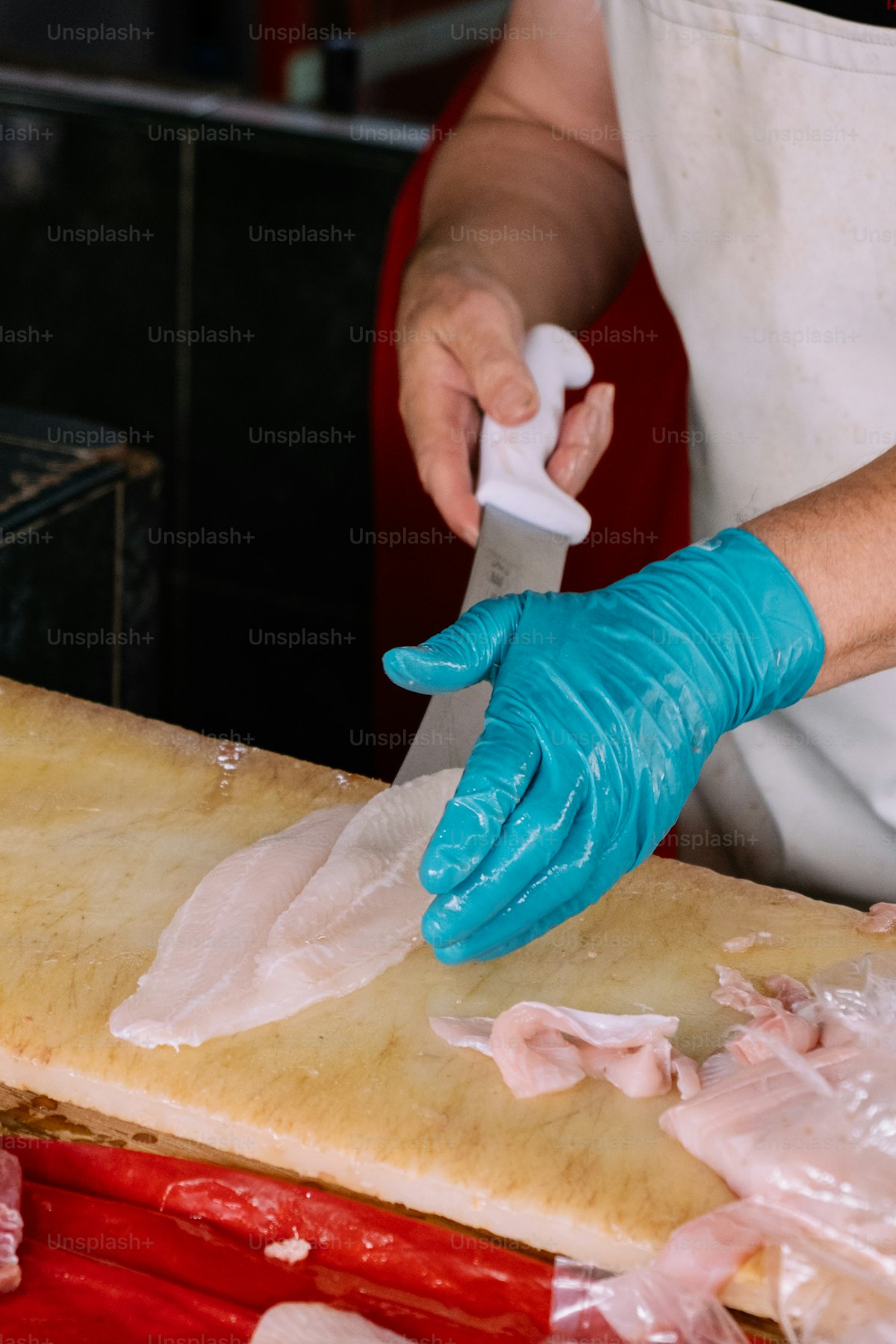
Knife shoppers fixate on steel hardness ratings and edge-retention claims. Blade flex, how much the blade bends and follows a fish’s contours while filleting, actually determines fillet quality and yield more directly than small differences in hardness between comparable knives.
A thread on the ChefKnivesToGo forum, titled simply “Stiff or flexible blade best for filleting fish?”, is a good window into how much this genuinely divides people who process fish regularly rather than occasionally. The original poster, who fillets and skins his own catch, put the real question plainly: his flexible blade “is good for following a line of bones in removing a fillet and running underneath a fillet to remove skin, but can a sharper/stiffer knife do this just as well or better?” The replies didn’t converge on one answer, which is itself the honest answer.
One reply described trying a stiff Japanese garisuke on branzino and hating it: “hated how little feedback there was from the knife in that application. It just fell to stiff and thick for the task.” Another poster drew the line by species. Thick-skinned fish like tuna or shark call for a stiffer blade, he said, while for thin-skinned fish like grouper or salmon he reaches for “my cheap old $11 flexible Rapala. Doesn’t hold an edge very well but at $11 just grind that sucker down and go grab a new one.” That’s the flex-versus-hardness trade-off in one sentence: a blade that’s genuinely worse at holding an edge but better suited to the actual cutting task, at a tenth the price of a premium option.
Stiffer blades do suit different tasks better, including initial cuts through tougher structure, or portioning larger fish before the delicate flex-blade work starts. Some anglers who process fish regularly keep both a stiff utility blade and a flexible fillet-specific one rather than expecting either to do both jobs well.
Steel type trades edge retention against ease of sharpening, and that trade-off matters more day to day than the hardness number on the box. Most fillet and kitchen-style knives fall somewhere in the 52-62 HRC range on the Rockwell hardness scale, and the relationship runs consistently in both directions: higher HRC means longer edge retention but a more brittle edge that chips rather than rolls under stress, while lower HRC dulls faster but tolerates abuse better and comes back with a basic stone in a couple of minutes rather than requiring diamond abrasives. Harder steel holds an edge longer but takes more skill to bring back once it dulls. Softer steel dulls faster and sharpens easily. Which side of that you want depends on how often you fillet and how much you enjoy sharpening.
Corrosion resistance deserves real attention for saltwater specifically. A blade that pits or rusts from repeated saltwater and fish-slime exposure is both a performance problem and a hygiene one.
Handle grip when wet matters as much as the blade itself, given how consistently slick a filleting session gets. A textured, ergonomic grip that holds on when wet prevents a sloppier cut and a genuine cut risk from a slipping blade.
Blade length should match your typical target species rather than whatever length looks most impressive in a display case. Small inshore fish fillet more precisely with a shorter blade; larger offshore fish benefit from a longer one that finishes a cut in fewer strokes.
Bottom line: match blade flex to your typical target species rather than chasing a hardness number, weigh edge retention against sharpening ease honestly, and don’t assume the more expensive, harder steel is automatically the better fillet knife. As more than one experienced angler on that ChefKnivesToGo thread makes clear, sometimes the eleven-dollar flexible blade is doing the job better than the premium one would.