Best Offshore Rod and Reel Combo: Why Mixed-Brand Pairing Often Beats a Matched Set
When a pre-matched combo makes sense versus hand-selecting rod and reel components independently for offshore fishing.
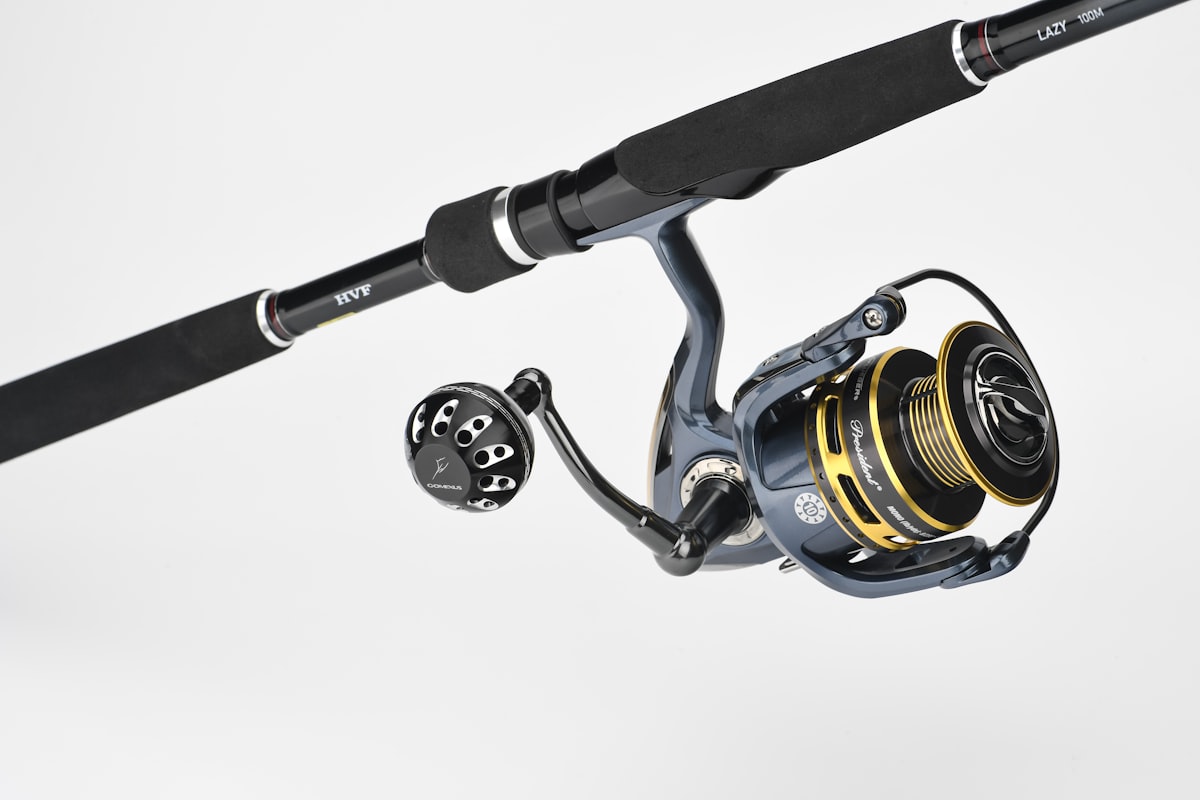
Manufacturers love selling matched rod-and-reel combos under one brand name, implying the pairing is somehow optimized together, but experienced offshore anglers frequently mix brands deliberately, a specific reel from one manufacturer paired with a rod from another, because the best individual component in each category doesn’t always come from the same company.
A thread on The Hull Truth asking about rod and reel combos for offshore trolling and bottom/vertical jigging is a good illustration of how far this goes in practice. For trolling mahi, tuna, king, and wahoo, posters describe pairing Shimano TLD 30A two-speed or Torium 20HGA reels with rods from Daiwa Saltist, Star, or St. Croix’s Mojo Salt Conventional line, none of it matched-set marketing, just anglers picking a reel and rod separately because that combination fished well for them. For bottom fishing specifically, one contributor lands on St. Croix Rift series rods paired with Avet Raptor two-speed JX or HX reels, sizing the reel to depth and needed line capacity rather than to whatever the rod’s own manufacturer happened to also sell. Someone else in the same thread runs a Shimano Trinidad 40N on a Trevala heavy-action jigging rod for kayak jigging — again, two different companies, chosen independently.
A pre-packaged combo’s main real advantage is guaranteed physical compatibility and often a price discount versus buying components separately, which matters for budget-conscious buyers or anyone newer to the sport without strong component preferences yet. For these buyers, a reputable combo remains a sensible, low-risk starting point.
Rod action and power rating need to match your realistic target species just as much in a combo purchase as when buying components separately. The general principles covered in the standalone rod-buying guide elsewhere in this collection apply identically here.
Reel size and gear ratio within a combo deserve the same scrutiny as a standalone purchase. Some combo packages pair a rod with a reel that’s slightly undersized or oversized for that rod’s power rating, prioritizing a price point over ideal technical pairing. Checking a bundled reel’s line capacity and drag rating against the rod’s intended power class avoids ending up with a mismatched combo despite its marketed convenience.
Two numbers on a reel’s spec sheet are worth actually understanding rather than skimming past. Gear ratio describes how many times the spool turns per handle crank, which translates directly into inches of line recovered per turn — a mid-size conventional reel around 5.1:1 typically recovers somewhere in the 35-40 inch range per crank, with lower ratios trading retrieve speed for cranking power on bigger fish. Drag rating matters even more for a combo built around tuna or wahoo: the standard rule of thumb is setting max drag at roughly a third of the line’s breaking strength, so 50lb mono gets set closer to 15-17lbs of drag rather than cranked toward the reel’s full rated maximum. A combo whose bundled reel can’t comfortably hit that target drag on the line class the rod is rated for is a mismatch no amount of bundled-price discount makes up for.
Warranty and service considerations differ meaningfully between the two approaches. A single-brand combo simplifies warranty claims since one company handles both components, while a mixed-brand setup means dealing with two manufacturers’ service processes if something goes wrong, a real trade-off against the performance benefits of hand-selecting each piece.
Budget allocation between rod and reel deserves conscious thought rather than accepting a combo’s built-in split. Some anglers do better investing disproportionately in a premium reel, given how much drag and internal mechanism quality affects fish-fighting outcomes, paired with a more modest rod. Others prefer the opposite balance. A pre-set combo removes that decision from your hands entirely.
A lot of recommendations treat combos as an entry-level option serious anglers eventually graduate away from. But several well-matched offshore combos from reputable manufacturers hold up fine even for experienced anglers, provided the specific pairing suits the actual target species and technique; the Hull Truth thread above is full of anglers who never left combos behind, they just got more particular about which pairing they’d accept.
Bottom line: pre-matched combos suit budget-conscious buyers and newcomers well, provided the rod power and reel size genuinely match the target species; more experienced anglers with specific technique preferences often do better selecting rod and reel independently, the way regulars on forums like The Hull Truth routinely describe doing.