The Andaman Islands GT Season Is Shorter Than Charter Sites Admit
Why the Andaman Islands' real GT window runs October to April, and what popper fishing looks like on this less-crowded reef system.
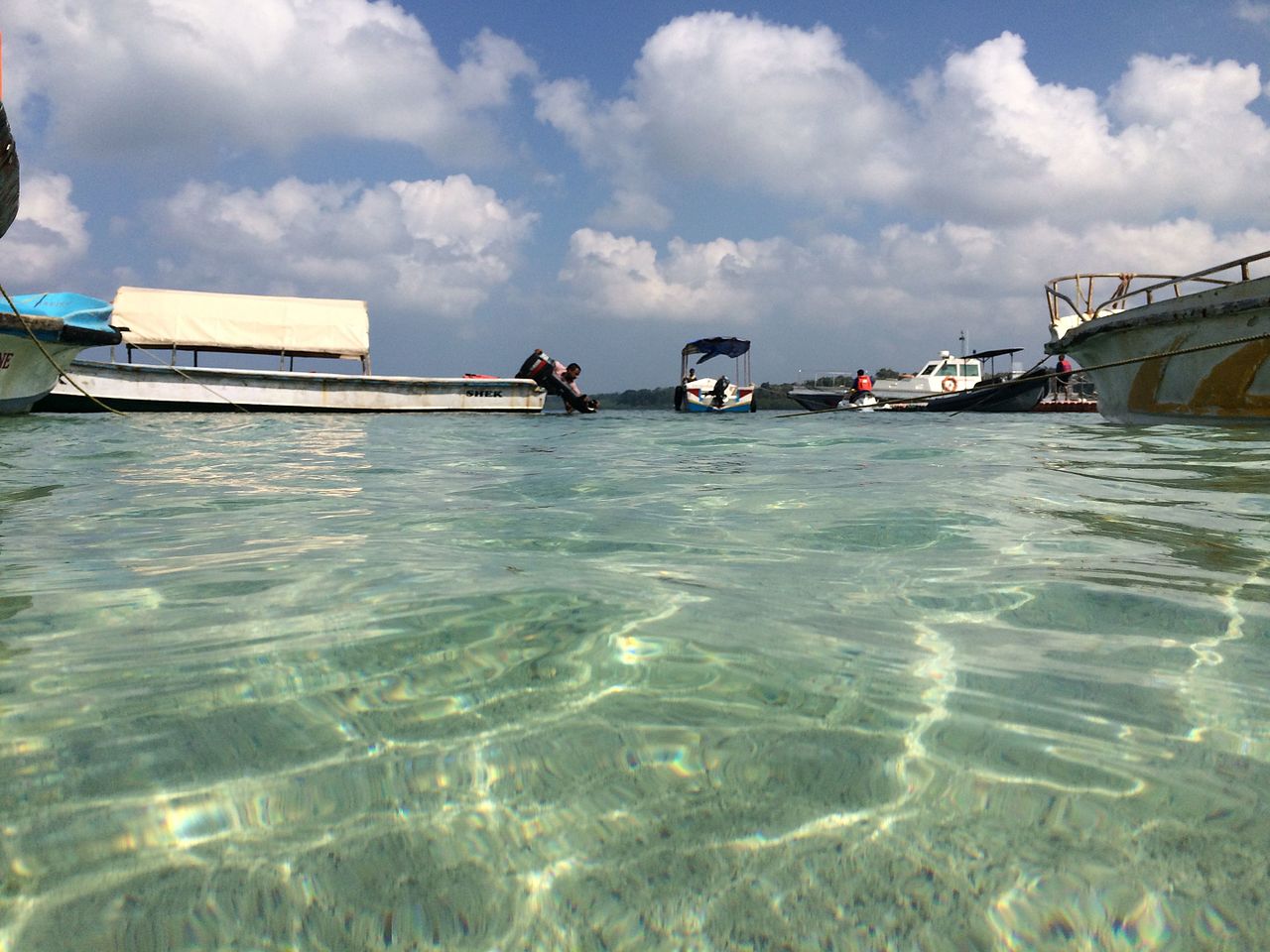
Book an Andaman Islands GT trip for July and you’ll likely spend half your days watching monsoon rain instead of fishing. The window that actually produces consistent conditions runs roughly October through April, and even that has soft edges depending on the specific year’s monsoon timing.
A 2014 thread on the fishwrecked.com forum captures the destination at its most honest. A visitor named Nick, heading to Port Blair for a couple of days between work commitments, asked if anyone had fished the Andamans and what to expect. The replies were a mix of enthusiasm and fine print: one former charter operator called it a place with “massive GTs” and “the biggest dog tooth tuna you can imagine,” but added that Port Blair itself “is chaos,” that several islands are off-limits because they still hold native inhabitants with minimal outside contact, and — a detail that trips up more visitors than tackle ever does — that Indian immigration is strict about requiring a yellow fever vaccination record for anyone arriving from, or having transited through, one of the roughly 40 countries India classifies as yellow fever endemic within the six days before arrival. The certificate has to be the original, not a photo or scan, and only counts once ten days have passed since vaccination — travelers without a valid one from a flagged country risk quarantine on arrival rather than a simple fine. For anglers coming directly from the US or most of Europe this rule never comes into play at all, but anyone routing through a covered country on a broader trip needs to check well ahead of a Port Blair arrival.
This destination gets less attention than the Seychelles or Maldives for GT fishing, which is exactly the appeal for anglers who’ve already done those trips and want water that hasn’t been fished by three guide groups a week for a decade. The Andamans, part of India’s territory in the Bay of Bengal, offer genuinely productive GT and other trevally fishing around Havelock Island and the more remote outer island systems, without the atoll-lagoon structure that defines Seychelles fishing.
The fishing style leans more toward boat-based popper and jig work off reef edges and drop-offs than pure flats sight-fishing. Structure includes rocky headlands and reef systems rather than sand flats, which changes both the retrieve style guides recommend and the terminal tackle: heavier leader for abrasion resistance against rock and coral is standard, generally 100-130lb fluorocarbon regardless of rod class.
It doesn’t always cooperate. A six-day trip report from Gamefishing Asia, one of the operators running charters out of Port Blair, described the first two days as windy with minimal current, conditions that made the popper bite hard to find. As the report put it, “it was difficult to get the popper fishing to work properly, so it was primarily the jigging fishing that was the focus.” The trip still ended with 49 GTs landed over the week, including fish up to 117cm, but only after switching techniques mid-charter rather than forcing the program guidebooks describe.
Cost here runs noticeably below equivalent GT trips to the Seychelles or Australia’s Great Barrier Reef, partly because the destination hasn’t built the same luxury-lodge infrastructure yet. Day-rate charter costs and accommodation both land in a more moderate range, though that also means fewer creature comforts and a more DIY feel to logistics between fishing days.
Guides who’ve fished both regions describe popper retrieves working differently here than in Australian GBR water. A slower, more deliberate pop-and-pause reportedly draws more committed strikes in Andaman water than the faster, splashier retrieve that works elsewhere. Treat that as anecdotal guide knowledge rather than published fact, since it isn’t something you’ll find written up formally anywhere.
Getting to the outer fishing grounds requires boat time from the main charter hubs, and weather windows can close trip days on short notice during shoulder-season months (May and September specifically), which first-time visitors underestimate when booking a tight itinerary. Build in a buffer day or two if this is a bucket-list trip rather than a casual add-on.
Where this destination falls short compared to more established GT fisheries: guide density and boat availability are thinner, so a single sick guide or a mechanical issue with one boat can disrupt a week’s fishing in a way better-resourced operations elsewhere absorb more easily. Go in with realistic expectations about redundancy, and pick an operator running more than one boat if you can.